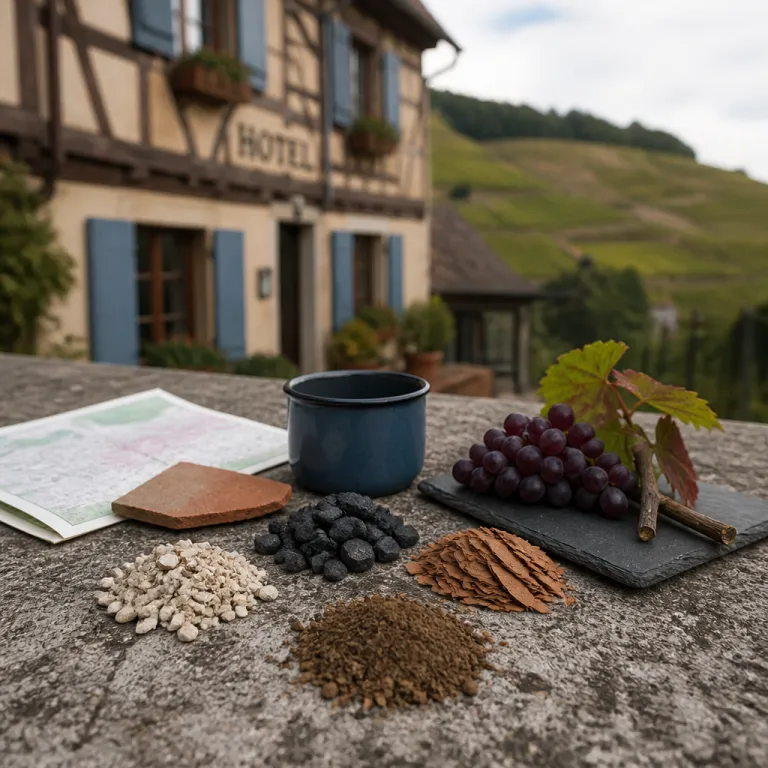
GéoVino Alsace wine trail: how geology reshapes your stay
GéoVino Alsace wine trail: how geology reshapes your stay
The GéoVino network along the Alsace wine route turns a classic vineyard walk into a quiet masterclass in terroir. Across a series of villages, including Riquewihr, Ribeauvillé, Bergheim and Saint Hippolyte, these self guided routes form a living atlas of soils and wines. For luxury travelers planning hotels near the wine trail, GéoVino makes it easy to align refined stays with vineyard experiences that finally explain why one Riesling sings and another broods.
GéoVino is officially described as “a wine tourism initiative linking Alsace's geology to its wines.”1 That simple sentence hides a sophisticated concept: each parcours GéoVino follows a carefully mapped trail past panels that decode granite, limestone, sandstone, clay and volcanic outcrops in language that feels accessible, not academic. The first parcours in Riquewihr is an easy parcours of around 2.5 km,1 ideal for a late afternoon walk before a Michelin starred dinner in a nearby gourmet city such as Colmar or Strasbourg.
According to the organizers, GéoVino currently offers 11 themed trails across 11 villages.1 That number matters for hotel planning, because you can now build a three or four night itinerary where each day focuses on a different wine trail and a different village character. For guests booking premium rooms through specialist platforms for stays in Alsace, the GéoVino concept becomes a spine around which concierges can arrange tastings, transfers and late check out spa sessions.
From Riquewihr to Ribeauvillé: where to stay on the GéoVino grid
Riquewihr is often seen as the spiritual home of the GéoVino Alsace wine trail, and its cobbled lanes sit within walking distance of the first parcours. Staying inside the ramparts lets you step straight from your hotel breakfast to the vineyard walk, then return for a guided gourmet lunch that pairs Alsace wine flights with seasonal dishes. In high season, especially around busy summer dates such as Riquewihr July events, book suites that face the vines rather than the busiest streets for quieter mornings.
Just up the wine route, Ribeauvillé anchors the pays Ribeauvillé, a cluster of villages where several GéoVino trails intersect. Here, luxury properties often offer spa facilities fed by local springs, ideal after a long trail walk between Ribeauvillé and Riquewihr or a more ambitious city tour style loop that links castles and vineyards. When you see references to quieter Ribeauvillé January periods in local calendars, they usually signal softer rhythms that suit travelers who prefer easy paths, empty viewpoints and more time with winemakers.
Bergheim, a walled village with serious red wine credentials, completes this golden triangle of the GéoVino Alsace wine trail. Many travelers overlook Bergheim in favor of its glossier neighbors, yet a stay here in calmer windows like Bergheim July evenings can feel surprisingly serene once day trippers leave. Choose a property on the edge of the ramparts and you can share sunset views over the vines, then discover an easy parcours the next morning before heading south along the wine route.
Why geology matters more than ever on the Alsace wine route
The narrow strip of vineyards that defines the Alsace wine route sits on one of Europe’s most complex geological fault zones. Within a few kilometres, a single GéoVino wine trail can move from granite to limestone to sandstone, and each soil type leaves a distinct fingerprint on the wine in your glass. GéoVino’s panels turn this into a kind of treasure hunt, where the real dates treasure are not on a calendar but written in layers of rock under your feet.
On the Riquewihr parcours, you might walk from a granite slope that sharpens Riesling acidity to a pocket of clay that fattens Pinot Gris, all within a short trail section. In Ribeauvillé, the parcours GéoVino highlights bands of limestone that give structure to Sylvaner and Pinot Blanc, making the walk feel like a guided gourmet tasting without a sommelier in sight. Around Saint Hippolyte, volcanic scree appears on certain trail segments, and the panels explain why some Saint Hippolyte Pinot Noir shows darker fruit and firmer tannins than wines from neighboring communes.
For travelers used to fast paced coach tours, this depth can feel almost meditative, especially when paired with a slow travel base chosen through a specialist site for premium stays in Alsace. Instead of racing between cellars, you follow an easy parcours, read a totem pole style panel, then taste the corresponding wine at a nearby domaine. Families can even weave GéoVino walks into broader slow travel plans that include castles and animal parks, using resources such as a dedicated guide to family holidays in Alsace with castles and animal parks.
Reading the landscape like a wine list
Think of each GéoVino trail as a vertical tasting of soils rather than vintages. The organizers provide maps and brochures that mark key geological points, so even a first time visitor can follow the parcours GéoVino without a guide. Panels act almost like a sommelier’s notes, translating mineralogy into texture, acidity and aroma in the finished wine.
On some sections, especially near Ribeauvillé and Bergheim, the trail passes small totem pole markers that signal changes in bedrock or slope. These markers make it easy to link what you feel underfoot during the walk with what you later taste in a glass of Alsace wine at dinner. Over a few days, you start to share the local instinct for reading hillsides, recognizing that a steep, south facing granite parcel will give a very different wine trail profile from a gentle limestone bench.
For hotel guests, this means that a simple afternoon walk can replace a formal classroom tasting, while still delivering serious insight. Luxury properties that understand the GéoVino mindset now build packages where a morning spa session is followed by a geology themed tour, then a guided gourmet pairing menu in the evening. The result feels easy and unforced, yet it quietly upgrades your palate and deepens your connection to the region.
Choosing the right GéoVino trails: first timers versus wine geeks
Not every GéoVino Alsace wine trail suits every traveler, and that is part of the charm. First timers often start with the shorter, easy parcours around Riquewihr or Ribeauvillé, where the terrain is gentle and the panels focus on broad contrasts between major soil types. These routes pair well with a relaxed city tour of the village itself, followed by a simple wine flight in a traditional winstub.
More experienced wine lovers, the true wine geeks, tend to gravitate toward longer parcours GéoVino segments that climb higher into the Grands Crus. Around Bergheim and Saint Hippolyte, some trails include steeper sections where the geology becomes more intricate, and the panels dive deeper into fault lines and micro terroirs. Here, a guided gourmet tasting back at your hotel or at a nearby domaine can unpack the nuances you noticed during the walk, from saline finishes to smoky notes linked to volcanic intrusions.
Seasonality also shapes the experience, and hotel booking strategies should follow those rhythms. During July and August, when festivals and village celebrations bring crowds to Riquewihr and the wider pays Ribeauvillé, consider staying in a quieter village and driving or cycling to the start of each wine trail. In shoulder periods such as certain January dates or early August dates, you can often walk entire sections of the GéoVino network almost alone, then return to a luxury suite where staff have already chilled a bottle from the vineyard you crossed that morning.
How long to stay, and how to structure your days
For a first visit focused on GéoVino, plan at least three nights along the Alsace wine route. This allows time for two or three different trails, plus a slower day devoted to a gourmet city like Colmar or Strasbourg. Many high end properties now offer flexible packages where you can share your preferred dates and they build a custom parcours that balances walking, tastings and spa time.
A typical day on the GéoVino Alsace wine trail might start with a late breakfast, followed by a morning walk of 2 to 4 km. After a light lunch, you could join a guided gourmet workshop at a local domaine, then return to your hotel for a massage before a multi course dinner. Over several days, alternating an easy parcours with more demanding climbs keeps the experience varied without feeling exhausting.
Travelers who want to go deeper can extend their stay to five or six nights, using resources such as a curated guide to Colmar’s major wine fair and regional events to align their visit with key wine route celebrations. In these cases, booking early for popular August dates or festival periods becomes essential, especially if you want specific suites with vineyard views. The reward is a layered experience where each wine trail walk, each tasting and each hotel stay feels part of a coherent narrative.
Luxury hotels and vineyard stays that match the GéoVino mindset
The most rewarding way to approach the GéoVino Alsace wine trail is to treat your hotel as an extension of the vineyard. Properties that truly understand GéoVino train their équipes to explain the difference between granite and limestone in plain language, then pour wines that illustrate those contrasts. When a sommelier can point from the terrace to a specific slope you walked that morning, the line between trail and glass dissolves.
Along the wine route between Ribeauvillé, Riquewihr and Bergheim, several high end guesthouses and vineyard hotels now offer GéoVino themed packages. These might include private transfers to the start of a parcours GéoVino, picnic baskets filled with local gourmet specialties, and evening tastings focused on wines from the exact parcels you crossed. For travelers who prefer to keep logistics easy, booking through a specialist platform that curates vineyard hotels on the Route des Vins ensures that each property has been vetted for both comfort and terroir literacy.
Further north and south along the Alsace wine route, you will find hotels that lean into wellness, design or gastronomy while still embracing the GéoVino philosophy. Some offer in house city tour style experiences of nearby towns in the morning, followed by afternoon transfers to a chosen wine trail. Others organize a playful treasure hunt for couples or friends, where clues hidden near totem pole markers along the trail lead to a final tasting of rare cuvées back at the hotel bar.
What to ask before you book
When evaluating luxury or premium hotels for a GéoVino focused trip, ask very specific questions. Does the property offer early breakfast or takeaway options that fit your planned trail walk schedule, especially on hot July and August days? Can the concierge arrange tastings at domaines directly connected to the parcours you intend to follow, rather than generic Alsace wine stops?
It is also worth checking whether the hotel has staff who have personally walked at least one GéoVino Alsace wine trail. Their first hand experience often translates into smarter advice about footwear, timing and the best spots to pause for photos or quiet reflection. In villages like Saint Hippolyte or Bergheim, where the terrain can be steeper, this local insight can make the difference between an easy parcours and an unexpectedly demanding climb.
Finally, clarify transport options, especially if you plan to share tastings across several villages in a single day. Some properties in the pays Ribeauvillé offer shuttle services that connect Ribeauvillé, Riquewihr and Bergheim, allowing you to walk one direction on the trail and ride back in comfort. Others can arrange private drivers for key August dates or special events, so you can focus on the wine trail itself rather than parking logistics.
Walking versus driving: how GéoVino changes the classic Route des Vins
Traditional visits to the Alsace wine route often mean a rental car, a list of cellars and a series of short, slightly rushed tastings. The GéoVino Alsace wine trail flips that model by making the walk itself the central experience, with tastings as a natural extension rather than the main event. You move more slowly, notice more details and give each glass of Alsace wine the time it deserves.
On a typical driving day, you might tick off three or four villages, including Ribeauvillé, Riquewihr and Bergheim, but remember little beyond half timbered facades. On a GéoVino day, you might focus on a single parcours GéoVino, reading panels, touching rocks and watching how the light shifts across the slopes. By the time you sit down for a guided gourmet dinner, the wine trail you walked has already framed your expectations, and you can share precise impressions with the sommelier.
There is also a sustainability angle that aligns well with the values of many luxury travelers. Walking an easy parcours instead of driving between short tastings reduces your footprint and supports a slower, more thoughtful style of tourism. In villages like Saint Hippolyte or within the broader pays Ribeauvillé, local authorities increasingly promote car free access to the trails, and hotels respond with luggage transfers and flexible check in times that make this choice genuinely easy.
Safety, pacing and seasonal nuances
From a safety perspective, the GéoVino Alsace wine trail model has clear advantages over traditional driving tastings. You can enjoy a glass at lunch or during an afternoon stop without worrying about getting behind the wheel afterward. Trails are designed as easy to moderate walks, and panels often suggest ideal pacing so that even less experienced hikers feel comfortable.
Seasonal nuances matter, especially around busy July and August periods when temperatures rise and paths can be more crowded. Early morning or late afternoon walks become the most pleasant options, and hotels that understand GéoVino will adapt breakfast and dinner times accordingly. During quieter January dates, the same trails feel almost private, though you should check opening hours for cellars and restaurants before finalizing your route.
For those who like structure, some tourism offices in the pays Ribeauvillé region organize occasional guided versions of certain GéoVino trails. These can feel like a moving city tour, with a guide who explains both geology and village history as you progress along the wine trail. Whether you choose guided or self guided formats, the key is to respect your own pace, wear proper shoes and let the landscape, not the clock, dictate your rhythm.
Planning your GéoVino based itinerary: practical tips for premium stays
Building a trip around the GéoVino Alsace wine trail starts with aligning your preferred travel dates with village rhythms. Look at local calendars for Riquewihr, Ribeauvillé, Bergheim and Saint Hippolyte, noting major festivals, markets and any special dates treasure linked to wine events. If you enjoy lively atmospheres, aim for key July and August periods; if you prefer quiet paths and longer tastings, target shoulder seasons or specific January dates.
Once your dates are set, choose one or two base villages along the wine route and book hotels that match your style. Some travelers like to split their stay between a vineyard hotel near Ribeauvillé Riquewihr and a more urban property in a gourmet city such as Colmar, combining trail walks with high end dining and cultural visits. Others prefer to stay put in a single village, using local transport or hotel arranged transfers to reach different parcours GéoVino each day.
As you refine your plan, think in terms of themes rather than a checklist of villages. One day might focus on granite and Riesling around Riquewihr, another on limestone and Pinot Noir near Saint Hippolyte, and a third on mixed soils and field blends in the wider pays Ribeauvillé. By the end of your stay, the GéoVino Alsace wine trail will have given you a mental map where each wine, each slope and each hotel memory feels connected.
What to pack, and how to share the experience
Packing for a GéoVino focused trip is surprisingly easy, even for luxury travelers. Comfortable walking shoes, a light daypack and a reusable water bottle matter more than formal outfits, though you will want at least one smart ensemble for gourmet dinners. A small notebook or digital app can help you record impressions from each wine trail, from soil textures to tasting notes.
Many visitors like to share their GéoVino Alsace wine trail experiences in real time, posting photos of totem pole markers, vineyard vistas and panel close ups. When you do, consider tagging both the village and the specific parcours GéoVino, so future travelers can benefit from your insights. Some hotels now curate guest generated content on lobby screens, turning individual walks into a collective memory bank for the property.
Finally, remember that the most valuable souvenirs from the GéoVino Alsace wine trail are not bottles, but understanding. You will return home able to read a wine label with fresh eyes, connecting village names like Ribeauvillé, Riquewihr, Bergheim or Saint Hippolyte to the soils you walked. That knowledge will quietly enrich every future glass of Alsace wine, long after your hotel key card has been returned.
Key figures behind GéoVino and the Alsace wine trails
- GéoVino currently offers 11 themed trails across 11 Alsace villages, according to the organizers’ official data,1 giving travelers enough variety for a multi day itinerary without repetition.
- The first GéoVino trail in Riquewihr covers approximately 2.5 km,1 a distance that most visitors can walk in under two hours with stops, making it accessible even for casual walkers.
- The GéoVino initiative has partnered with multiple local winemakers and tourism offices in the pays Ribeauvillé area, ensuring that each wine trail connects directly to real tasting opportunities nearby.
- Panels along the GéoVino Alsace wine trail highlight at least five major soil types in the region – granite, limestone, sandstone, clay and volcanic formations – illustrating why Alsace supports such a wide range of wine styles.
- Comfortable walking shoes and weather appropriate clothing are consistently recommended by organizers, underlining that even an easy parcours requires basic preparation for a safe and enjoyable experience.
FAQ about GéoVino and the Alsace wine trails
What is GéoVino, and how does it work for visitors?
GéoVino is a wine tourism initiative that links Alsace’s geology to its wines through self guided vineyard walks. Visitors follow marked trails, read educational panels about soils and formations, then taste wines from nearby domaines that express those terroirs. Maps, brochures and online resources make it easy to navigate each parcours without a guide.
How many GéoVino trails are there, and where are they located?
According to the latest official information, GéoVino offers 11 trails spread across 11 villages in Alsace.1 Key locations include Riquewihr, Ribeauvillé, Bergheim and Saint Hippolyte, all within the broader pays Ribeauvillé area. Each trail focuses on specific geological features and associated wine styles.
Which GéoVino trails are best for first time visitors?
First time visitors usually start with shorter, easier trails around Riquewihr or Ribeauvillé, where the terrain is gentle and the panels focus on major soil contrasts. These routes fit well into a half day that also includes a village stroll and a simple tasting. Hotels and local tourism offices can recommend specific easy parcours based on your fitness and interests.
Do I need a car to enjoy the GéoVino Alsace wine trail?
A car is not strictly necessary, especially if you base yourself in one of the main villages along the wine route. Many GéoVino trails start within walking distance of village centers, and some hotels or tourism offices offer shuttle services or bike rentals. Walking or cycling between nearby villages like Ribeauvillé and Riquewihr can enhance the slow travel experience.
How should I choose a hotel for a GéoVino focused trip?
Choose hotels that sit close to the specific GéoVino trails you want to walk and that show a clear understanding of the initiative. Ask whether staff have walked the local parcours, if they can arrange tastings at connected domaines and whether breakfast times suit early or late trail starts. Platforms specializing in vineyard stays along the Alsace wine route can help you filter for properties that align with the GéoVino mindset.
1 Information based on the official GéoVino presentations and current organizer data at the time of writing.