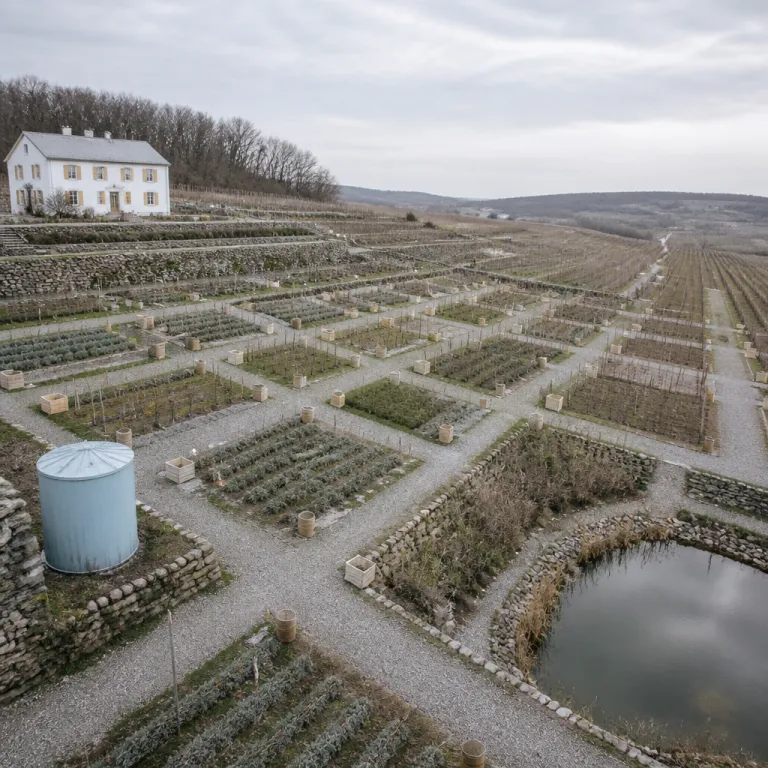
Why biodynamic vineyards in Alsace matter for luxury hotel guests
Alsace is one of Europe’s most concentrated regions for biodynamic wine, and that changes how you should plan a luxury stay. In a biodynamic wine Alsace vineyard, the rhythm of the lunar calendar and the Vosges foothills’ microclimate shapes everything from the first pruning cut to the last pour in your glass, which gives hotel based wine trips here a depth you rarely find in another wine region. When you choose a premium hotel aligned with these domaines, your room, your table and your tasting all become part of the same terroir driven story.
Across Alsace, around one eighth of all certified biodynamic vineyards in France are clustered into a narrow corridor of slopes, and that density means serious wine travellers can visit several estates in a single day without sacrificing comfort. A biodynamic estate in Alsace typically works with classic grape varieties such as Riesling, Pinot Blanc, Pinot Gris and Pinot Noir, yet the wines feel more precise and textural because the soils are alive and carefully farmed. For guests booking luxury rooms, this translates into curated tasting flights of Alsace wines that highlight individual lieux dits and Grands Crus rather than generic “house” wines.
When you walk into a high end hotel lobby in Colmar or Strasbourg today, you are increasingly likely to see biodynamic Alsace wine on the list, from a single domaine or from several estates. Sommeliers talk as much about compost, cover crops and manual harvesting as they do about the price of a Grand Cru Riesling or a rare Vendange Tardive, because their guests now ask for transparency. That shift in conversation is exactly why a biodynamic wine Alsace vineyard visit pairs so well with a refined stay, especially for solo explorers who want authenticity without giving up soft sheets and a serious breakfast buffet.
How biodynamic viticulture shapes your tasting, from soil to glass
Biodynamic viticulture in Alsace is not a marketing flourish ; it is a holistic farming approach emphasizing ecological balance and cosmic rhythms. On a biodynamic wine Alsace vineyard, growers use specific preparations made from herbs, minerals and compost, sprayed in tiny quantities to stimulate soil life and vine resilience, which is why the estates often feel more like gardens than industrial farms. Many domaines also follow the lunar calendar for key tasks, timing pruning, racking and even bottling to phases believed to favour balance in the finished wine.
Methods such as manual harvesting, the use of cover crops between rows and the near total absence of synthetic chemicals create vineyards that hum with insects and wildflowers. Tools are simple — compost heaps, small sprayers, sometimes even horses — yet the impact on the wines is profound, especially for expressive grape varieties like Riesling, Pinot Gris and Pinot Noir that transmit terroir nuances with clarity. When you taste an Alsace Grand Cru Riesling from a biodynamic estate domaine, the texture, salinity and length often feel more vivid, which is exactly what wine focused travellers are seeking.
Certification bodies such as Demeter and Biodyvin have become quiet reference points for sommeliers in luxury hotels, who now highlight biodynamic wines on their lists alongside Champagne and Crémant d’Alsace. For guests, this means you can compare a biodynamic Pinot Blanc from a small family domaine with a more conventional cuvée at the same price level and feel the difference in energy. If you want a deeper primer on refined properties that understand this shift, the guide to refined stays and premium experiences in the heart of Alsace is a useful starting point before you book.
Key biodynamic domaines and the hotels that pair well with them
Several flagship biodynamic domaines in Alsace now anchor serious wine itineraries, and choosing the right nearby hotel can elevate your stay. Domaine Achillée in Scherwiller is a family run estate whose biodynamic vineyards sit on granite and sandstone, producing tense Riesling, textured Pinot Gris and vibrant red Pinot Noir that show the village’s character. A discreet luxury hotel within a short drive lets you taste late into the afternoon, then return to a quiet room with a view of the same slopes that shaped your glass.
In Wettolsheim, Domaine Barmès Buecher has worked biodynamically for decades, crafting Alsace wines from several Grands Crus that appear on serious restaurant lists across the region. Their Riesling, Pinot Blanc and Pinot Gris often include cuvées from Grand Cru sites, and some wines are bottled as Vendange Tardive or Sélection de Grains Nobles when the vintage allows, offering a different dimension for sweet wine lovers. A refined estate style hotel near Colmar makes a strong base here, especially if it offers transfers so you can focus on tasting rather than driving between each domaine.
Le Vignoble du Rêveur in Bergheim, run by a branch of the same family as Domaine Zind Humbrecht, explores more experimental paths such as skin contact “orange Alsace” wines and textured Pinot blends. These wines sit comfortably alongside traditional Crémant d’Alsace and still cuvées, giving curious travellers a broader view of what biodynamic wine in this wine region can be. If you time your visit with major events such as the Colmar wine fair, planning ahead with a hotel that understands wine travellers — the feature on how Colmar prepares for hundreds of thousands of wine lovers shows what to expect — becomes essential.
From cellar to suite: what a biodynamic focused hotel stay looks like
A luxury stay built around a biodynamic wine Alsace vineyard feels different from a standard weekend on the Route des Vins. Your day might start with breakfast featuring local cheeses and breads paired with a glass of Crémant d’Alsace from a nearby domaine, followed by a private transfer to an estate domaine where the winemaker walks you through cover crops and compost piles before you even step into the cellar. That vineyard walk, with its talk of soils, slopes and grape varieties, sets the tone for a tasting where each wine is linked back to a specific parcel rather than a generic “house style”.
In the cellar, you may taste side by side a classic dry Riesling, a richer Pinot Gris and a structured Pinot Noir, all from the same Grand Cru hillside, which lets you feel how biodynamic farming amplifies site differences. Some domaines also pour late harvest Vendange Tardive or Sélection de Grains Nobles wines, whose concentration and sweetness are balanced by the natural acidity that Alsace’s climate preserves. Back at your hotel, a thoughtful wine list might include those same cuvées at a fair price, sometimes with a discreet sale price for guests who visited the domaine that day.
Even spa and wellness offerings can echo the biodynamic ethos, with treatments using grape seed oils or herbal infusions sourced from the same hillsides that grow the vines. For solo travellers, this creates a rare balance between introspective time — a book by the pool, a glass of Alsace wine in the bar — and structured encounters with passionate vignerons. If you are weighing city versus countryside bases, the analysis of how elegant city hotels compare with countryside stays in Alsace can help you choose the right mix for your own trip.
Planning your biodynamic wine route: practical tips for premium stays
Thoughtful planning turns a biodynamic wine Alsace vineyard itinerary into a seamless luxury experience rather than a rushed checklist. Start by mapping a few key villages along the Route des Vins — places like Bergheim, Wettolsheim and Scherwiller — then choose a central hotel with easy access to at least three biodynamic domaines. Visit during harvest for full experience, book tastings in advance and always leave time between appointments so you can walk the vines, not just the cellars.
When you contact estates, ask specifically about biodynamic practices, single vineyard bottlings and whether they produce wines from Grand Cru or Alsace Grand Cru sites. Many domaines now offer structured tastings that compare different grape varieties from the same slope, such as Riesling, Pinot Blanc and Pinot Gris from a single cru, which is invaluable for understanding terroir. Some also pour sparkling wines like Crémant d’Alsace alongside still cuvées, and a few experiment with orange Alsace styles that spend time on skins for extra texture.
For purchases, remember that sale price at the domaine is often more attractive than what you will find later in a city wine shop, especially for limited cuvées such as Vendange Tardive or Sélection de Grains Nobles. Shipping back to the United States is increasingly straightforward from larger estates, though smaller family domaines may prefer you to carry bottles home in a travel safe case. As you plan, keep in mind the growing interest in sustainable viticulture ; rising consumer demand for natural wines means that biodynamic addresses can book out quickly, so align your hotel reservations and tasting appointments early.
Reading the labels: how to understand Alsace biodynamic wines
Once you are back at your hotel with a glass in hand, label literacy helps you make sense of what you are drinking. On an Alsace wine label from a biodynamic domaine, look first for the grape variety — Riesling, Pinot Blanc, Pinot Gris or Pinot Noir — then for mentions of Grand Cru, lieu dit or village names that signal specific origins. Terms such as Vendange Tardive and Sélection de Grains Nobles indicate late harvested or ultra concentrated sweet wines, while Crémant d’Alsace marks traditional method sparkling cuvées that can rival Champagne in finesse.
Many biodynamic estates also highlight their certification logos, such as Demeter or Biodyvin, which confirm that the farming follows strict ecological standards. You may see references to “orange” styles, especially from experimental producers who ferment white grape varieties on their skins to create deeper colour and tannic grip, often labelled as orange Alsace wines. Some labels mention specific domaines or family names — from Barmès Buecher to Dopff au Moulin or Jean Marc style signatures — and over time you will recognise which estate domaine aligns with your palate.
Price on the list or in the hotel cellar will vary according to cru status, rarity and ageing, but biodynamic wines from Alsace still often offer strong value compared with other European regions. A Riesling from a respected domaine des Grands Crus might cost less than a comparable chateau wine from another French region, yet deliver equal complexity and ageing potential. As one local explanation puts it succinctly, “What is biodynamic viticulture? A holistic farming approach emphasizing ecological balance and cosmic rhythms”, and that philosophy is exactly what you taste when terroir and winemaker move in step.
FAQ
What is biodynamic viticulture in Alsace ?
Biodynamic viticulture in Alsace is a holistic farming method that treats the vineyard as a living ecosystem, using compost based preparations, lunar and cosmic calendars and minimal inputs to enhance soil vitality. Growers avoid synthetic chemicals, rely on manual work and aim to express each parcel’s terroir as clearly as possible in the finished wine. This approach is particularly suited to Alsace’s patchwork of soils and cool, dry climate, which already favours precise, aromatic wines.
Which biodynamic domaines should I visit near luxury hotels ?
Several biodynamic domaines sit within easy reach of premium hotels along the Route des Vins, including Domaine Achillée in Scherwiller, Domaine Barmès Buecher in Wettolsheim and Le Vignoble du Rêveur in Bergheim. Each offers structured tastings that highlight specific grape varieties and terroirs, often including Grand Cru sites. When booking your hotel, ask the concierge which estates they partner with for transfers and private visits.
Why choose biodynamic wines during my stay instead of conventional cuvées ?
Travellers often choose biodynamic wines because they tend to show clearer site expression, vibrant acidity and a sense of energy in the glass. The farming also supports biodiversity and long term soil health, aligning with a broader interest in sustainable luxury travel. For many guests, tasting biodynamic wines alongside conventional examples during the same meal is the most convincing way to appreciate the difference.
When is the best time to visit a biodynamic wine Alsace vineyard ?
Visits are possible year round, but the experience changes with the season, from quiet, contemplative winter tastings to lively harvest days when grapes arrive at the press. Many travellers prefer late summer and early autumn, when vineyards are full of fruit and the weather is still mild for walking the slopes. Whatever the season, booking tastings in advance is essential, especially at small family domaines with limited visitor capacity.
How can I bring biodynamic Alsace wines home to the United States ?
Most visitors either pack bottles in specialised protective sleeves inside checked luggage or arrange shipping directly from the domaine or a local wine shop. Larger estates and some hotels can help coordinate export compliant shipments, though minimum quantities and costs vary. Always check current customs allowances for wine imports into the United States before you travel, so you can plan purchases accordingly.