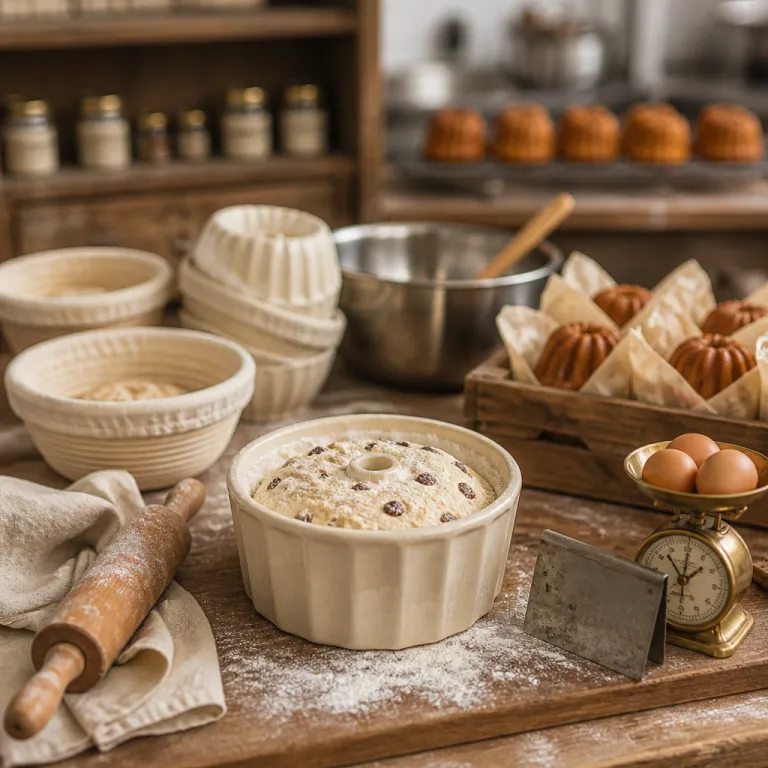
Kougelhopf in Alsace: from monastery tables to luxury hotel trays
Kougelhopf sits at the heart of Alsace, a brioche-style cake that quietly explains this region better than any postcard. The story of this Alsatian specialty begins with enriched dough, slow baking, and a tall fluted mould that has barely changed since early monastic kitchens shaped it. When you taste a well-made kougelhopf, with its soft crumb and delicate sugar perfume, you are tasting an unbroken pastry lineage that still guides how luxury hotels think about breakfast today.
Local historians generally trace the history of this French cake back several centuries, when yeast-enriched dough would rise warm near the hearth before being baked in a heavy kugelhopf pan. The Alsatian Museum in Strasbourg now displays antique moulds and traditional bakeware, their grooves once brushed with butter and lined with almonds in patterns that could even hint at a family’s status. That sense of continuity matters for travelers choosing premium hotels in Alsace, because the properties that respect kougelhopf traditions usually show the same care in their wine lists, linens, and service rituals.
Ask any serious baker in Alsace what makes a true kougelhopf, and they will start with the dough and the patience to let it develop properly. Warm milk, butter, and fresh yeast are mixed with flour, sugar, salt, and eggs, then left in a warm place until the mixture has risen and turned airy. Only then do they add more soft butter, soak raisins in kirsch or sometimes in Crémant d’Alsace, and press almonds into each tall fluted groove of the pan before the dough is left to prove a second time.
Village bakeries on the Route des Vins: where kougelhopf still sets the clock
Along the Route des Vins, kougelhopf culture is still anchored in small villages where the first tray of pastry leaves the oven before sunrise. In Ribeauvillé, a long-established pâtisserie works with a supple dough that rests in a warm place until the texture feels light and elastic, then bakes it in Soufflenheim clay moulds that hold heat for long minutes after leaving the oven. The result is a cake with a soft, almost silken crumb, lightly scented with butter and sugar and sometimes finished with a veil of powdered sugar or icing sugar just before it is served.
Further north in Wissembourg, one specialist shop has built a reputation on both sweet and savory versions, each one shaped in a tall fluted mould that feels almost architectural in the hand. Here the bakers respect the slow rhythm of yeast and time, letting the dough rise gently, then punching it down and allowing it to prove again so the structure stays light yet rich. Travelers staying in nearby luxury hotels often pre-order whole cakes, timing their pick-up to the exact moment when baking ends and the kougelhopf is still warm enough to perfume the car.
Riquewihr’s family-run bakeries, with several generations of kougelhopf experience, show how Alsatian households treat this cake as both daily bread and festive pastry. Their bakers soak raisins overnight, add soft butter only when the warm milk mixture has cooled slightly, and insist that the dough develop slowly rather than rushing it with excess yeast. For guests following the regional artisan trail from Lalique crystal to Soufflenheim clay, these village ovens fit naturally into an Alsace artisan trail you can walk from your hotel door, linking pottery workshops that craft kugelhopf pans with the ovens that bring them to life.
Sweet versus savory: the kougelhopf debate locals rarely explain to visitors
Visitors usually meet kougelhopf as a sweet cake, dusted with powdered sugar and served with coffee at hotel breakfast buffets across Alsace. Locals, though, often reach for a savory kougelhopf, where the same enriched dough becomes a vehicle for lardons, walnuts, and sometimes a discreet hint of Munster that turns the pastry into a meal. This savory version pairs naturally with Crémant d’Alsace, and the best luxury properties quietly offer it alongside the sweet classic for guests who ask.
Maison Alsacienne de Biscuiterie, with addresses across the region, illustrates this dual personality by offering both sweet and savory kugelhopf in individual and large formats. Their bakers start with the same base dough, enriched with warm milk, butter, and yeast, then adjust the balance of sugar and salt depending on whether the kougelhopf will be finished with icing sugar or with a scattering of smoked pork. When the dough has risen to the right volume, they gently fold in either soaked raisins or crisp lardons, then let the mixture prove again in a tall fluted mould before baking.
For couples planning a romantic stay in the Vosges foothills, a half board inn experience often includes a savory kougelhopf slice as an aperitif snack. Properties like those highlighted in this refined half board inn experience in the Vosges use kougelhopf to bridge rustic mountain cooking and polished hotel service. A warm place by the fire, a glass of Crémant d’Alsace, and a still-warm savory pastry can turn a simple arrival into a quietly luxurious moment.
Hotel pastry chefs: reimagining kougelhopf for the luxury breakfast table
Across high-end hotels in Alsace, pastry chefs are treating traditional kougelhopf as a canvas for discreet innovation rather than a tourist cliché. Many now bake miniature cakes, each one a perfect single portion where the proving time is carefully managed so the crumb stays soft even after several minutes on a buffet. These miniatures are often served alongside other French pastry icons, but the kougelhopf usually disappears first when the butter-and-sugar glaze catches the morning light.
Some chefs infuse the warm milk with vanilla or citrus zest, or even reduce Crémant d’Alsace into a syrup that they brush into the almond-lined grooves after baking. Others play with the legends surrounding the cake, pairing it with specific vineyard selections and encouraging guests to taste how a dry Riesling sharpens the sweetness of the raisins. If you care about wine pairings, it is worth reading what your hotel sommelier in Alsace really wishes you would order in this guide to ordering wine with regional dishes, then asking for a glass that flatters the kougelhopf on the dessert trolley.
Gluten-free and lighter versions are also appearing, though the best chefs respect the need for slow, warm fermentation even when the flour mix changes. They still add soft butter or a clarified alternative, still soak raisins in kirsch, and still insist on a second proving in a proper kugelhopf pan rather than in generic tins. In the most thoughtful properties, the pastry team will happily explain how many minutes each stage takes, and why they refuse to shorten the process during a busy service period.
Market mornings: timing your kougelhopf around Colmar and Strasbourg
For travelers who want to feel Alsatian baking culture at street level, Saturday markets in Colmar and Strasbourg are essential stops. At Place de l’Ancienne Douane in Colmar, stalls begin setting out tall fluted cakes just as the first rays hit the canal, and the air fills with the scent of yeast, butter, and sugar. Arrive early, because once the minutes pass and the crowds build, the most tempting loaves vanish quickly.
In Strasbourg’s Place Broglie, kougelhopf shares space with charcuterie, cheeses, and crates of seasonal fruit, yet the pastry still commands its own quiet attention. Vendors often explain how they let the dough rise in a warm back room, then carry the filled pans to a communal oven where the final expansion happens in the residual heat. Many will slice a still-warm cake for you, served on a simple napkin, the crumb so soft that powdered sugar clings to your fingers as you walk back toward the cathedral.
Practical planning matters here, especially for couples staying in luxury hotels who want to integrate market visits into a relaxed itinerary. Check bakery and market hours in advance, then ask your concierge which stall or village baker currently has the most characterful pastry, because trends shift even within Alsace. With numerous long-established kougelhopf specialists operating across the region, you have time to compare several versions and quietly decide which dough, which baking style, and which balance of butter and sugar best suits your palate.
Soufflenheim moulds and hotel rituals: bringing kougelhopf back home
No serious kougelhopf journey is complete without a stop in Soufflenheim, the pottery village whose terracotta moulds underpin the cake’s identity. Here, potters shape each tall fluted pan by hand, carving the almond-like grooves that will later cradle butter and soaked raisins in scented steam. Luxury hotels across Alsace quietly source their moulds here, knowing that the way clay holds heat affects how the dough behaves during the crucial first minutes of baking.
When you buy a mould as a souvenir, think like an Alsatian baker rather than a casual tourist. Choose a pan with even walls, a solid central chimney, and a glaze that will release butter and sugar without tearing the soft crumb when the cake is served. Ask the potter how to prepare it at home; most will advise brushing it with warm milk and butter, then baking it empty for a short time so the surface seasons before you attempt your first kougelhopf.
Back in your own kitchen, you can recreate the hotel ritual by mixing a rich dough with warm milk, butter, yeast, sugar, salt, and eggs, then letting it rise in a warm place until it has roughly doubled in volume. Knock it back, add soft butter and soaked raisins, then let the mixture prove again in your Soufflenheim mould before baking until the crust turns a deep amber. Once cooled for a few minutes, finish with powdered sugar or icing sugar, pour a glass of Crémant d’Alsace, and you will understand why “What is Kougelhopf?” is answered so simply in local guides as “A traditional Alsatian brioche cake, often with raisins and almonds.”
Key figures behind Alsace’s kougelhopf tradition
- Specialist kougelhopf bakeries are scattered across Alsace, allowing travelers to plan a focused tasting route without repeating addresses too quickly.
- Prices for a full-size kougelhopf typically start in the high single digits in village bakeries, while hotel pâtisserie versions with premium ingredients can cost significantly more per cake.
- The kougelhopf tradition dates back several centuries, with documented use of fluted moulds from at least the early modern period, showing how long yeast-raised dough has shaped Alsatian pastry culture.
- Market mornings in Colmar and Strasbourg usually see the first kougelhopf trays arrive within the opening hour, and the most sought-after cakes often sell out quickly on busy weekends.
- Soufflenheim potters supply terracotta kugelhopf pans to many hotels and restaurants across Alsace, underlining how a single artisan village influences the region’s broader hospitality experience.
FAQ about kougelhopf and luxury stays in Alsace
What is kougelhopf, and why is it so important in Alsace ?
Kougelhopf is a traditional Alsatian brioche-style cake baked in a tall fluted mould, usually with raisins and almonds pressed into the grooves. It matters in Alsace because it appears at breakfast, family celebrations, and hotel brunches, acting as a bridge between home baking and professional pastry. For travelers, it is a reliable indicator of how seriously a property treats regional gastronomy.
Where can I buy authentic kougelhopf in Alsace ?
Authentic versions are best found in specialist bakeries and pâtisseries in towns such as Ribeauvillé, Wissembourg, Colmar, and Riquewihr. Many luxury hotels also work with these artisans or bake in house using Soufflenheim moulds. Visiting early in the day gives you the widest choice and the freshest cakes.
Are there savory versions of kougelhopf, and where are they served ?
Yes, several bakeries and inns offer savory kougelhopf made with lardons, walnuts, and sometimes cheese instead of sugar and raisins. Locals often prefer this style, especially with Crémant d’Alsace as an aperitif. You will find it in Maison Alsacienne de Biscuiterie, in some village bakeries along the Route des Vins, and in refined half board inns in the Vosges.
How should I enjoy kougelhopf in a luxury hotel setting ?
In premium hotels, start with a slice of sweet kougelhopf at breakfast, ideally still slightly warm so the crumb stays soft and aromatic. Later in the day, ask whether the bar serves a savory version with a glass of Crémant d’Alsace or a local white wine. Do not hesitate to ask the pastry chef about the recipe, the proving times, and whether they use Soufflenheim moulds, as these details often reveal the property’s broader culinary philosophy.
Can I bring kougelhopf or a Soufflenheim mould home as a souvenir ?
Yes, kougelhopf travels well for a day or two if wrapped carefully, and many bakeries will pack it for transport. A Soufflenheim kugelhopf pan is an excellent long-term souvenir, allowing you to recreate the Alsatian ritual at home. Just remember to follow the potter’s instructions for seasoning the mould and to respect the slow, warm fermentation that defines the cake’s texture.