How heritage architecture keeps Alsace cool when the mercury climbs
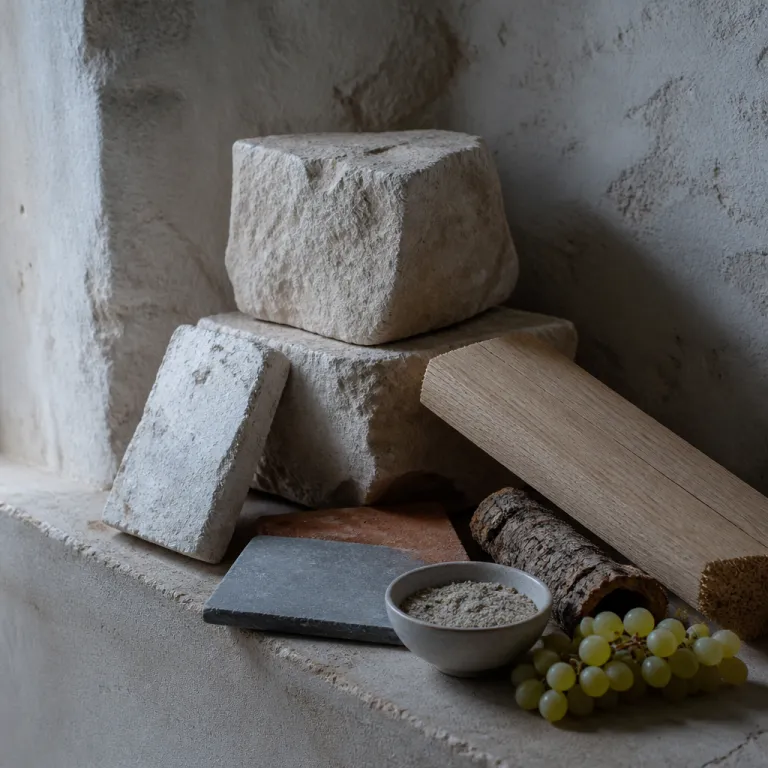
When the thermometer in Alsace nudges 35 °C, the right heritage hotel turns summer heat into a quiet luxury. Thick sandstone walls, timber frames, and clay infill act as a natural thermal battery, keeping interior rooms in a heritage hotel Alsace summer stay often 8 to 10 °C cooler than the street outside. That difference is not marketing language ; it is physics shaped over centuries of life in this corner of France.
Across Alsace, traditional half timbered houses and converted manor hotels use dense materials that absorb heat slowly during the day, then release it gently at night into shaded courtyards and cool cellars. In a well restored hotel located in the heart of a medieval village, you can walk from a sun baked square into a stone stairwell and feel the temperature drop instantly, which is why these heritage hotels in Alsace have become some of the best hotels for a summer stay without aggressive air conditioning. This is especially true in the historic France district around Strasbourg, where many luxury hotels occupy former merchant houses with inner courtyards and vaulted basements.
For business leisure travelers extending a work trip in Strasbourg, this natural cooling changes how you book a hotel and plan your days. Instead of chasing the newest spa complex, you might choose a hotel restaurant in a Renaissance building where the cellar doubles as a tasting room for Alsace wine and the rooms stay naturally fresh. Heritage hotels Alsace wide are leaning into this advantage, positioning their architecture as the primary amenity for a refined heritage hotel Alsace summer stay.
Castle walls, fortified refuges, and the cool courtyards of the Vosges
Move west toward the Vosges foothills and the cooling effect of heritage architecture becomes even more pronounced. Medieval castles and fortified refuges were designed to withstand siege and summer heat, so their massive walls and narrow openings now create ideal conditions for a luxury hotel Alsace summer stay. Properties near the Massif des Vosges often sit above forested slopes, where evening breezes and thick stone combine to keep rooms comfortable long after the sun has set.
The Dossenheim sur Zinsel Fortified Refuge Museum, housed in a 13th century defensive structure, shows how communities once sheltered behind stone and timber for safety and climate control, and its cool interiors mirror what you feel in the best converted castle hotels. While Château du Ramstein itself cannot be entered for security reasons, the surrounding area illustrates why hotels located in the heart of these valleys enjoy such stable temperatures, especially at night when the stone releases stored coolness into courtyards and salons. These are the same principles driving the renewed interest in grand heritage properties across Europe, a trend explored in depth in our guide to the return of the grand hotel in Alsace.
In this part of Alsace, you will also find discreet luxury hotels with contemporary design layered onto historic shells, where a chic spa is set into former stables and a hotel restaurant occupies the old maison des vignerons. Some of these hotels des Vosges properties offer only a handful of rooms, but each room feels like a private refuge, with thick shutters, limewashed walls, and views over vineyards or forest. For travelers who want to book hotel stays that feel both sustainable and indulgent, these castle and manor hotels in Alsace deliver a heritage hotel Alsace summer stay that is hard to replicate elsewhere in France.
Courtyards, cellars, and the art of the shaded summer stay
The real luxury of a heritage hotel Alsace summer stay often reveals itself not in the rooms, but in the spaces between them. Inner courtyards, cloisters, and walled gardens become open air living rooms, where breakfast stretches into a late morning meeting and an evening glass of Alsace wine replaces the need for a crowded bar. When a hotel is located in the heart of a village, these courtyards also buffer guests from street noise and heat, creating a microclimate of shade, stone, and greenery.
Many of the best hotels along the Alsace wine route use their underground cellars as both storage and sanctuary, with tasting tables set between old barrels and stone arches that stay cool even on the hottest August afternoon. In Colmar and the surrounding villages, properties such as Villa Elyane show how a carefully restored maison des notables can combine a chic, contemporary design with heritage details, while nearby premium hotels in the heart of Colmar lean on vaulted cellars for intimate dinners. These spaces are where a hotel restaurant can serve a tasting menu of local wine and seasonal produce without guests ever feeling the heat outside.
For travelers choosing between hotels Alsace wide, pay attention to how the property uses its courtyards and cellars, not just whether it lists a spa or pool. A heritage hotel in the France district of Strasbourg with a shaded inner court may offer a more comfortable night than a glass fronted tower with aggressive air conditioning, especially in petite France where narrow streets trap heat. When you book hotel stays through stay in Alsace, look for descriptions that mention inner courtyards, vaulted cellars, and stone staircases ; these are the quiet signals of a genuinely cool and charming heritage hotel Alsace summer stay.
Balancing heritage, modern comfort, and sustainable cooling
There is a growing tension in Alsace between preserving heritage architecture and meeting modern expectations for air conditioning, pools, and spa facilities. Luxury hotels in historic buildings must respect protected facades and structures, which limits where they can install ducts, units, or even large windows, yet guests still expect a certain level of contemporary design and comfort. The most successful hotels in Alsace treat the building itself as the first layer of climate control, then add discreet technology where it genuinely improves a heritage hotel Alsace summer stay.
In Strasbourg and along the wine route, you will find hotel restaurants that use naturally cool cellars for lunch service, then move guests to courtyards for dinner as the night air settles, reducing the need for mechanical cooling. Properties such as Hôtel des Têtes in Colmar or Hôtel des Vosges in the region show how careful insulation, shutters, and ventilation can work with thick walls rather than against them, while places like Hôtel Moulin or Hôtel Les traditions in smaller villages keep room counts low to maintain a calm, cool atmosphere. Even contemporary addresses like Villa Elyane demonstrate that a chic, modern interior can sit comfortably inside a historic shell, especially when the hotel is located in the heart of a village and oriented around a shaded garden.
Heritage tourism in Alsace is increasingly framed as a sustainable choice, with visitors encouraged to explore sites such as Maisons des Rochers de Graufthal, where rock cut houses stay naturally cool and guided tours explain how architecture once replaced air conditioning. As local experts note, "From March 14 to November 11 and the last weekends of November. Self-guided tours in small groups do not require a reservation." For travelers planning whether to come in July or August, our guide to how the luxury experience shifts between the two peak months helps you decide when to book hotel stays that align with your preferred balance of heat, crowds, and cool heritage retreats.
FAQ
How much cooler are heritage hotels in Alsace during summer ?
Heritage buildings in Alsace with thick stone or half timbered walls typically maintain interior temperatures around 8 to 10 °C below the outside air on hot days. This effect is strongest in rooms facing inner courtyards or shaded streets, and in hotels with well preserved cellars and limited direct sun exposure. Guests often find that these naturally cool spaces reduce the need for constant air conditioning during a heritage hotel Alsace summer stay.
Do heritage hotels in Strasbourg and Colmar have air conditioning ?
Many luxury hotels in Strasbourg, Colmar, and along the Alsace wine route now offer air conditioned rooms, but not every heritage property can install full systems due to preservation rules. In protected districts such as petite France or the historic France district, some hotels rely on a mix of natural cooling, shutters, and discreet units in selected rooms. When you book a hotel, check room descriptions carefully and contact the property if air conditioning is essential for your summer stay.
Are cellars and underground spaces open to guests in heritage hotels ?
In numerous heritage hotels across Alsace, cellars are integral to the guest experience rather than hidden service areas. Many hotel restaurants use vaulted basements for wine tastings, private dinners, or small meetings, especially during the hottest hours of the day. Some properties also offer guided visits of their historic cellars, explaining how these spaces once stored wine and food while keeping interiors cool through the summer.
What should I pack for a summer stay in a heritage hotel in Alsace ?
Because interiors in heritage hotels can feel surprisingly cool, even when outside temperatures reach 30 °C or more, it is wise to pack a light jacket or shawl for evenings and cellar dinners. Comfortable shoes are essential if you plan to explore cobbled streets, staircases, or nearby heritage sites such as fortified refuges and rock houses. A reusable water bottle and light clothing for daytime walks along the wine route will help you enjoy both the heat outdoors and the refreshing contrast indoors.
Which heritage sites best illustrate natural cooling in Alsace ?
Several heritage sites in Alsace clearly demonstrate how traditional architecture manages summer heat without modern systems. Maisons des Rochers de Graufthal shows how rock cut dwellings stay cool through thick stone and earth insulation, while the Dossenheim sur Zinsel Fortified Refuge Museum reveals how medieval communities used compact, fortified structures to regulate temperature. Even though Château du Ramstein cannot be entered, its setting in the Vosges foothills helps explain why nearby castle hotels enjoy naturally cooler conditions for a refined heritage hotel Alsace summer stay.
Sources
Weather data and climate context from Weather Atlas for Alsace.
Heritage site information from Route Romane d’Alsace and official regional tourism boards.
Museum and site access details from Maisons des Rochers de Graufthal and Musée du Refuge Fortifié de Dossenheim sur Zinsel.