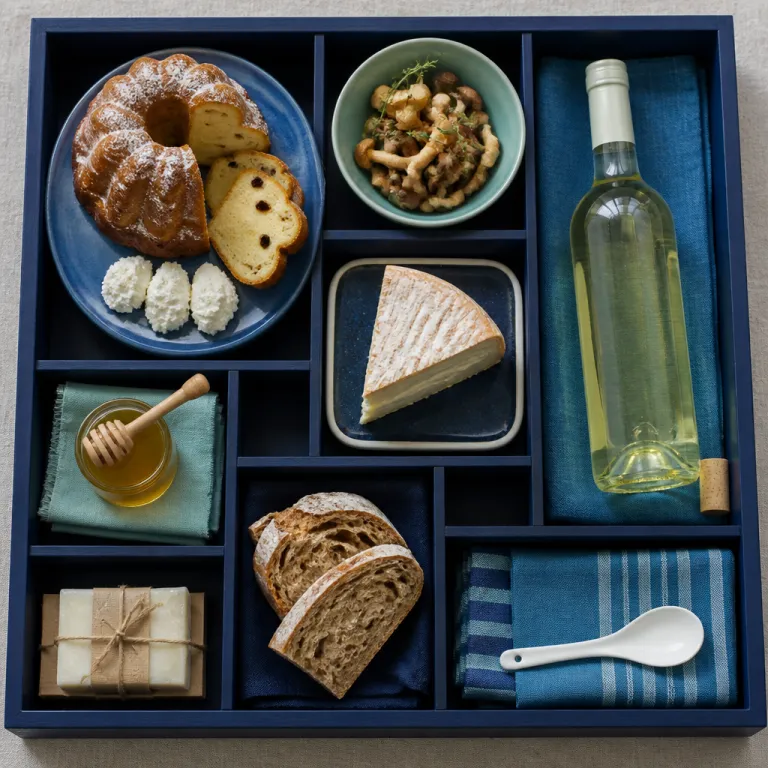
Why sustainable hotels in Alsace start with local sourcing
In Alsace, sustainable hotels make local sourcing feel effortless and quietly luxurious. The most forward thinking hotels understand that “sustainable hotels alsace local sourcing” is not a slogan but a daily operating principle, including how every room amenity, restaurant dish, and spa treatment is chosen. When you check into a star hotel along the wine route or in central Strasbourg, the commitment to regional products shapes the entire stay from breakfast to the last glass of Alsace wine.
Local sourcing in a hotel means working with nearby farmers, artisans, and winemakers so that what you taste, touch, and see reflects the surrounding nature. Regional tourism data shows that “Hotels with local sourcing programs” now represent around 50 % of properties, and this shift is driven by guests who want authenticity rather than anonymous luxury. When you compare hotels in France from Paris to the gorges du Verdon, Alsace stands out because the supply chains are short, the producers are often neighbours, and the sense of place is immediate when you open the window and take in the views.
For couples planning a romantic escape, this approach to sustainable hotels alsace local sourcing has a direct impact on comfort and pleasure. Rooms and rooms suites are often decorated with locally crafted furniture, while the welcome pastries come from a village boulangerie instead of a distant factory. Even the hotel spa or outdoor pool area may feature regional natural stone, plants from the nearby Vosges Regional Natural Park, and eco friendly amenities that feel indulgent rather than worthy.
From breakfast tables to Michelin starred dinners: how hotels make terroir visible
The clearest expression of sustainable hotels alsace local sourcing appears on the plate, from simple breakfast buffets to Michelin starred tasting menus. At La Fischhutte, The Originals Relais, the restaurant serves generous plates built around river fish, forest mushrooms, and vegetables from nearby farms, turning a quiet valley in Alsace into a destination for serious food lovers. Château Hochberg, a refined chateau located near the northern Vosges, follows the same philosophy in its bistronomic restaurant, where the chef highlights regional produce and pairs it with precise glasses of Alsace wine.
Local sourcing in a hotel restaurant is more than a note on the menu ; it is a transparent relationship with named producers and often with estate wines from the vigneron next door. Many hotels now print the names of their suppliers, invite farmers to meet guests, and organise visits along the wine route so you can taste Riesling in the vineyard before seeing it again at dinner. This is where the carbon angle becomes tangible, because short supply chains mean fewer delivery trucks, less packaging, and fresher ingredients that travel only a few kilometres instead of crossing all of France from Paris or beyond.
Couples seeking adults only calm will find that this terroir driven approach pairs naturally with intimate properties curated in guides to refined adults only luxury hotels in Alsace, where dinner feels like a private introduction to the region. In these hotels, the restaurant serves locally sourced charcuterie, cheeses from the Vosges Regional Natural Park, and seasonal dishes that change weekly rather than annually. Even room service reflects sustainable hotels alsace local sourcing, with late night plates of tarte flambée made from local flour and cream rather than industrial substitutes.
Water, wellness and the Hel’eau la Bruche effect
Regenerative travel in Alsace is not only about what you eat ; it also shapes how you move through the landscape and how hotels manage something as simple as water. The Hel’eau la Bruche network in the Bruche valley has created free refill points for hikers and cyclists, and many hotels and restaurants now participate by offering chilled carafes instead of single use plastic bottles. When a hotel spa joins this initiative, the impact is immediate, because guests can refill before heading to the pool, the hot tub, or the sauna without generating extra waste.
For couples who plan their stay around wellness, this attention to water and energy use is part of a broader eco strategy that you can feel but rarely see. A hotel with an indoor swimming pool or an outdoor pool in Alsace might use heat recovery systems, natural filtration, and regional natural materials around the deck, while still delivering the same silky water and romantic atmosphere. Properties like Maison Rouge Hôtel in Strasbourg, which holds the Green Key label, show how sustainable hotels alsace local sourcing can extend from breakfast buffets to spa treatments using Vosges botanicals and locally sourced essential oils.
When you browse last minute luxury hotel offers in Alsace, pay attention to how wellness areas are described and which initiatives are mentioned. A hotel spa that highlights partnerships with the Vosges Regional Natural Park, or that uses eco certified products made in France rather than imported lines, is usually serious about its environmental footprint. These details matter as much as the size of the room, the comfort of the bed, or the quality of the views from the hot tub terrace.
Wine, châteaux and short supply chains along the Alsace wine route
The Alsace wine route is where sustainable hotels alsace local sourcing becomes almost inevitable, because vineyards press up against village squares and châteaux. Many hotels located between Strasbourg and Colmar pour estate wines from the domaine across the road, turning the bar into an informal tasting room with bottles you will not find in generic lists in Paris. When a chateau or star hotel works this closely with vignerons, the result is a wine list that changes with the harvest and a carbon footprint that shrinks quietly in the background.
Some properties go further by organising walks through the vines, cellar visits, and dinners where the restaurant serves each course with a different cuvée from the same slope. This is regenerative travel in practice, because your stay supports small producers, keeps value in the local economy, and encourages hotels to maintain landscapes rather than pave them. Guides such as the elegant overview of château hotels in France for discerning travelers show how this model, tested in Alsace, is influencing historic properties from the Loire to the gorges du Verdon.
In Strasbourg, Hôtel Cour du Corbeau illustrates another side of this story, with timber framed architecture, rooms and rooms suites that open onto quiet courtyards, and a bar that favours regional wines and spirits. Here, sustainable hotels alsace local sourcing means choosing crémant d’Alsace over anonymous Champagne, serving snacks built from local cheeses, and collaborating with artisans from the northern Vosges for tableware. Guests feel the difference not as a lecture on eco responsibility but as a richer, more textured experience of France that lingers long after checkout.
How to choose an eco minded luxury stay in Alsace
Selecting the right hotel in Alsace starts with reading between the lines of glossy descriptions. Look for clear references to sustainable hotels alsace local sourcing, such as named farms, specific vineyards, or partnerships with the Vosges Regional Natural Park and other regional natural areas. When a hotel mentions the Green Key label, collaborations with local artisans, or a restaurant that serves seasonal menus built around locally sourced produce, you can be confident that sustainability is more than marketing.
Room descriptions also reveal a lot, especially when they highlight natural materials, regional crafts, and views over vineyards, forests, or historic streets rather than only the size of the television. Couples should check whether rooms suites offer refillable amenities, filtered tap water, and information about nearby walking or cycling routes that connect the hotel to nature. If a property in Strasbourg or in smaller towns such as Des Vosges promotes easy train access from Paris and encourages low impact mobility once you arrive, that is another sign of a genuinely eco conscious approach.
Finally, ask direct questions before you book, because serious hotels welcome informed guests and detailed conversations. You might ask how the hotel spa sources its products, whether the swimming pool uses energy efficient systems, or how the restaurant works with producers along the wine route and in the northern Vosges. The most committed hotels, from Maison Rouge Hôtel to La Fischhutte and Château Hochberg, will answer with specifics and often with invitations to visit suppliers, because “Increase in guest satisfaction” is a natural result when local sourcing becomes part of the guest experience.
FAQ
What is local sourcing in hotels and why does it matter in Alsace ?
Local sourcing in a hotel means incorporating regional products and services into hotel offerings. In Alsace this often includes ingredients from nearby farms, wines from neighbouring estates, and spa products made with Vosges botanicals. The approach supports communities, reduces transport emissions, and gives guests a more authentic sense of place.
How can I tell if a hotel in Alsace is genuinely sustainable ?
Look for recognised labels such as Green Key, detailed information about suppliers, and concrete actions like participation in networks such as Hel’eau la Bruche. Genuine sustainable hotels alsace local sourcing will name producers, explain how they reduce plastic and energy use, and often offer activities such as farm or vineyard visits. If sustainability is only mentioned in vague terms, the commitment is usually weaker.
Which Alsace hotels are known for strong local sourcing practices ?
Several properties stand out for their work with regional producers, including La Fischhutte, The Originals Relais, Maison Rouge Hôtel in Strasbourg, and Château Hochberg near the northern Vosges. These hotels integrate local products into their restaurants, bars, and sometimes their spa treatments. They also tend to communicate openly about their partners and the benefits for guests.
Does local sourcing affect the price of a luxury stay in Alsace ?
Working with small producers can increase certain costs, but many hotels balance this through reduced transport and packaging expenses. For guests, prices are usually comparable to other premium hotels in France, while quality and freshness are often higher. The added value comes from distinctive flavours, meaningful stories, and a closer connection to the region.
What can guests do to support eco friendly practices during their stay ?
Guests can refill water bottles at Hel’eau la Bruche points, choose seasonal dishes in the restaurant, and use public transport or bicycles when possible. Asking questions about sourcing and praising hotels that prioritise local partners also encourages managers to deepen their commitments. Small choices, repeated by many travellers, help make sustainable hotels alsace local sourcing the regional norm.