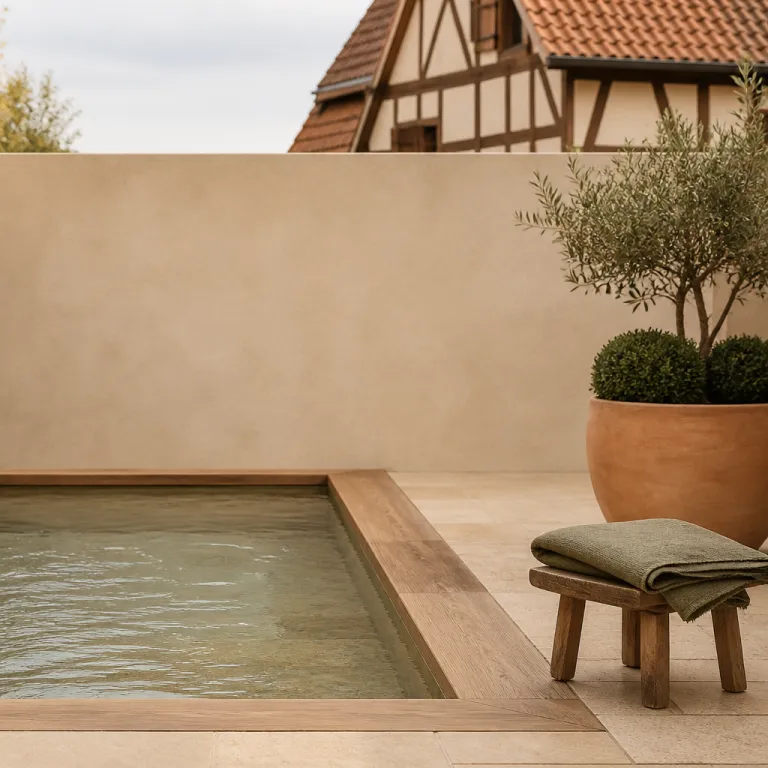
Alsace thermal spa tradition hotels at the crossroads of two cultures
Alsace sits quietly between the Vosges and the Rhine, yet its spa hotels feel anything but modest. In this compact region, many wellness retreats and thermal spa tradition hotels channel Roman bathing heritage, German Therme rituals, and French art de vivre into one coherent wellness language. Couples arrive for a weekend and realise these spa hotels in Alsace can rival Baden-Baden or Zurich, while the bill usually lands 30 to 50 percent lower.1
The story starts with water: Romans tapped hot springs in Niederbronn-les-Bains and Morsbronn-les-Bains, where today the Institut de Morsbronn-les-Bains still offers medical-grade hydrotherapy alongside modern wellness facilities. Regional tourism data and local spa directories count around five recognised thermal centres in Alsace welcoming roughly 50,000 visitors each year, a scale that keeps the area’s spa hotels intimate rather than industrial.2 When you book a hotel spa stay here, you are stepping into a living tradition rather than a themed weekend.
German influence appears in the serious approach to sauna, hammam, and pool circuits, while French style shapes the architecture, the rooms, and the wine-focused restaurants. Many spa hotels along the wine route work with local producers, pairing Riesling or Pinot Gris with seasonal menus built around local produce instead of generic spa cuisine. This blend of rigorous heat therapy and indulgent gastronomy defines some of the best spa hotels Alsace offers, from discreet hostellerie properties in the forests to polished star hotel addresses in Strasbourg.
How Alsace blends German sauna culture and French relaxation aesthetics
Walk into a serious spa hotel in Alsace and the layout tells you everything about this borderland mindset. You move from dry sauna to aromatic hammam, then out to a steaming outdoor pool facing dense nature, before sinking into a quiet relaxation lounge with herbal tea and a view of vineyards. The rhythm feels closer to a German Therme, yet the lighting, textiles, and service style are unmistakably French.
German guests expect a full hammam–sauna circuit, often with multiple temperature zones and plunge pools, and Alsatian spa properties have adopted that expectation. Couples who usually book in Baden-Baden will recognise the etiquette: silence in the sauna, serious wellness facilities, and staff who talk about hydrotherapy with the precision of a sommelier discussing wine. French travellers, by contrast, often come for massages, facials, and a beautiful hotel spa environment where rooms and suites feel as important as the treatment menu.
This dual demand explains why many hotels in Alsace now market themselves clearly as both spa retreat and gastronomic destination, rather than simple overnight stops. In Strasbourg, Maison Rouge positions its spa hotel concept as an urban cocoon, pairing a compact hammam–sauna area with refined rooms, suites, and a bar that treats wine as seriously as any winstub. One Parisian guest summed it up after a winter stay: “We spent more time in the spa than in the city, then walked out the door straight into a brasserie for dinner – it felt like having a countryside retreat in the middle of Strasbourg.” For coastal inspiration on how French hoteliers handle elegance and service, the refined stay at Hôtel du Midi in Palavas-les-Flots shows a similar balance of design, comfort, and discreet attention, a benchmark that ambitious hotels in Alsace now aim to match in their own way.
Flagship properties: from La Cheneaudière to La Source des Sens
Among Alsace’s spa hideaways, Hostellerie La Cheneaudière & Spa has become a reference for couples who care about design as much as detox. According to the property’s own fact sheets, its 2,500 square metre Nature Spa uses stone, wood, and plant motifs to echo the surrounding Bruche Valley forests, so every pool, sauna, and relaxation alcove feels anchored in the landscape.3 You move between indoor and outdoor water areas, then into quiet rooms where the only sound is wind in the trees.
North of Strasbourg, La Source des Sens has built a 2,000 square metre spa dedicated to what it calls global well-being, and the name is not marketing fluff. The property, often referred to simply as Source des Sens, combines thermal-style pools, a serious hammam–sauna circuit, and treatment cabins that lean into sensory experiences rather than quick beauty fixes.4 Couples who book here often alternate between long spa sessions and slow meals built around local produce, with wine pairings that highlight the northern reaches of the wine route.
These hotels Alsace travellers love sit alongside other strong addresses such as Les Violettes Hôtel & Spa in the Florival Valley, where a 1,500 square metre spa complex opens directly onto meadows and forest.5 At Hostellerie des Châteaux in Ottrott, the cluster of saunas, hammams, and pools has turned a traditional hostellerie into a full-scale wellness destination. For a broader overview of how these star hotel properties compare on service, design, and value, our dedicated guide to premium accommodation in Alsace maps out the finest hotels and experiences for demanding guests.
Thermal heritage, eco innovation, and why prices stay reasonable
Thermal culture in Alsace is not a recent lifestyle trend; it stretches back to Roman engineers who understood the value of hot mineral water in Niederbronn and Morsbronn. Modern institutes such as the Institut de Morsbronn-les-Bains still use these sources for targeted hydrotherapy, while partnering with nearby hotels to create combined medical and leisure wellness offers. This continuity gives Alsace’s spa and thermal hotels a depth that many newer spa regions cannot replicate.
Innovation now sits alongside heritage, with properties like Resort Barrière Ribeauvillé heating their spa water to around 34 degrees Celsius using biogas from a neighbouring methanisation farm, according to regional energy reports and the resort’s own sustainability communications.6 That kind of closed-loop energy system helps keep operating costs under control and reduces environmental impact, which in turn supports spa hotel rates that remain competitive compared with Baden-Baden or Swiss resorts. Eco-friendly practices also extend to the use of local produce in restaurants, from trout and Munster cheese to seasonal fruit folded into desserts that pair naturally with regional wine.
Because Alsace remains slightly under the radar for American wellness travellers, even high-end star hotel properties often price rooms and suites below equivalent addresses in Provence or the Côte d’Azur. You can book a serious hotel spa stay with extensive wellness facilities, a strong wine list, and refined rooms for what a basic spa day might cost in Paris. For couples who care about terroir as much as treatments, this region quietly offers some of the best value spa hotels in France.
What to expect inside Alsace's most characterful spa hotels
Step into a classic hostellerie in the Vosges foothills and you feel the difference from a city spa within minutes. Reception teams talk you through the spa circuit with the same care they devote to explaining the wine route, and they often know the nearby hiking trails as well as the sommelier knows Riesling. Rooms tend to be generous by French standards, with many hotels across Alsace offering dedicated room and suite categories for spa guests who want direct access to wellness facilities.
In properties such as Hostellerie des Châteaux or Les Violettes, the spa areas unfold like small villages, with multiple pools, hammams, and saunas tucked into different wings. Couples drift between a hot outdoor pool facing nature, a darker hammam–sauna zone scented with eucalyptus, and quiet lounges where herbal infusions replace cocktails. Restaurants in these hotels usually balance lighter wellness menus with more indulgent Alsatian classics, so you can move from a day of detox to an evening of tarte flambée and wine without judgement.
Urban addresses such as Maison Rouge in Strasbourg reinterpret the hotel spa idea on a smaller footprint, focusing on intimate wellness spaces and high-comfort rooms rather than vast water parks. Here, the spa experience might mean a late-afternoon hammam session followed by a glass of Pinot Noir at the bar before dinner in one of the city’s many restaurants. For a sense of how deeply gastronomy and hospitality intertwine in this region, our feature on kougelhopf traditions in village bakeries and hotel kitchens shows how even pastries become part of the “wellness through pleasure” equation.
Planning your stay: when to go, how to book, and insider tips
Alsace thermal spa tradition hotels operate year-round, but the mood shifts dramatically with the seasons. Autumn and early winter bring misty vineyards, quieter wine-route roads, and spa pools steaming against cold air, a romantic backdrop for couples who like crisp walks followed by long sauna sessions. Spring and early summer suit travellers who want to combine wellness with cycling, hiking, and terrace lunches built around fresh local produce.
For the most sought-after spa hotels, especially Hostellerie La Cheneaudière & Spa, Hostellerie des Châteaux, and La Source des Sens, you should book both rooms and spa treatments well in advance. Regional tourism boards and local hotels consistently advise guests to secure hydrotherapy slots early, and the official guidance is clear: “Do I need to book spa treatments in advance? It’s recommended to ensure availability.” Many properties publish hotel offers that bundle access to wellness facilities, tasting menus, and late check-out, which often represent better value than assembling services à la carte.
Day spa access for non-residents varies by hotel, so always check conditions before planning a drive along the wine route. Some spa hotels in Alsace open their pools, hammams, and saunas to outside guests on specific weekdays, while others reserve the spa experience strictly for in-house clients to preserve calm. If you are combining Alsace with a wider French itinerary that includes the Mediterranean, our report on elegant stays at Hôtel du Midi in Palavas-les-Flots can help you understand how coastal and north-eastern spa cultures differ, and why many couples now prefer the quieter, more terroir-driven rhythm of Alsace.
Key figures behind Alsace's thermal and wellness scene
- Alsace currently counts around five recognised thermal spas, a compact network that keeps the regional wellness offer focused and easy to navigate for travellers (source: Location Alsace data on spa facilities and regional tourism reports).2
- These thermal spas welcome approximately 50,000 visitors per year, a modest volume compared with major Alpine or Mediterranean resorts, which helps Alsace thermal spa tradition hotels maintain a calmer, less crowded atmosphere (source: Location Alsace visitor statistics).2
- La Cheneaudière’s Nature Spa covers about 2,500 square metres, placing it among the largest hotel spa facilities in north-eastern France and allowing for multiple pools, saunas, and quiet zones without feeling busy (source: property information from Hostellerie La Cheneaudière & Spa).3
- La Source des Sens operates a 2,000 square metre spa dedicated to holistic well-being, giving couples ample space to alternate between water circuits, hammam–sauna areas, and treatment cabins during a single stay (source: property descriptions from La Source des Sens).4
- Resort Barrière Ribeauvillé heats its spa water to around 34 degrees Celsius using biogas from a neighbouring methanisation farm, a sustainability measure that reduces energy costs and supports the region’s environmental goals (source: property listings and regional energy reports).6
FAQ about Alsace thermal spa tradition hotels
What makes Alsace's thermal spas unique compared with other French regions?
Alsace stands out because it combines ancient thermal waters, serious German-style sauna culture, and French gastronomic flair in the same hotel spa stay. Official guidance summarises it clearly: “What makes Alsace's thermal spas unique? Combination of natural thermal waters and innovative spa facilities.” For couples, that means you can move from a rigorous hammam–sauna circuit to a dinner built around local wine and produce without ever leaving your hotel.
Are Alsace thermal spas and spa hotels open all year?
Most Alsace thermal spa tradition hotels and dedicated thermal institutes operate year-round, adjusting their offers slightly with the seasons. Regional data confirms that “Are Alsace's thermal spas open year-round? Yes, most operate throughout the year.” Winter stays feel particularly atmospheric, with hot outdoor pools steaming against snow-dusted hills, while spring and autumn are ideal for combining wellness with vineyard walks.
Do I need a medical prescription to use thermal facilities in Alsace?
You only need a medical prescription if you are enrolling in a formal thermal cure at an institute such as the Institut de Morsbronn-les-Bains. For standard hotel spa access in Alsace thermal spa tradition hotels, including pools, hammams, saunas, and most massages, you simply book as a leisure guest. If you have specific health conditions, it is wise to discuss them with both your doctor and the spa team before using high-heat facilities.
How far in advance should I book spa treatments and rooms?
For peak periods such as autumn wine harvest and December market season, you should secure rooms and spa treatments several weeks, sometimes months, in advance. Regional advice is consistent: “Do I need to book spa treatments in advance? It’s recommended to ensure availability.” Even outside peak dates, popular spa hotels in Alsace often limit daily treatment slots to preserve a calm atmosphere, so early booking is always a good idea.
Is Alsace good value compared with Baden-Baden or Swiss spa towns?
Alsace generally offers comparable spa quality to Baden-Baden or Zurich thermal baths at significantly lower room and treatment prices. Many star hotel properties with extensive wellness facilities price their rooms and suites 30 to 50 percent below similar-level addresses in Germany or Switzerland, based on comparative checks of public rate calendars and regional tourism analyses.1 When you factor in the quality of local restaurants, wine, and nature access, the overall value proposition for couples is particularly strong.