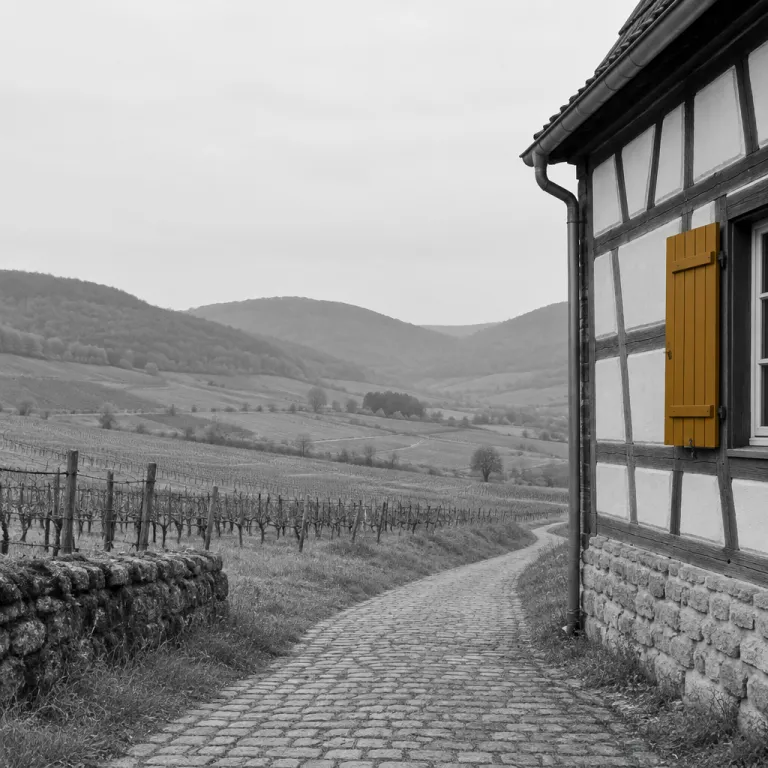
Why a digital detox retreat in Alsace starts in the Munster and Bruche valleys
Alsace looks compact on a map of France, yet its valleys feel like separate worlds. The Munster Valley and the neighbouring Bruche Valley form the quietest corridor, a natural cradle for any serious digital detox retreat in Alsace. Their steep Vosges slopes, dense forests and narrow gorges create blind spots where mobile data simply gives up.
For executives used to flawless coverage from the French Alps to the Rhône corridor, that patchy signal can feel radical, but it is exactly what turns these valleys into unintentional wellness retreats. Local hoteliers have learned to lean into this geography, designing every stay around slow mornings, long tables and the kind of silence that lets the body and mind recalibrate. In practice, this often means a three day escape where the only alerts you hear are cowbells and church clocks, not Slack pings.
The Bruche Valley programme coordinated by the Office de Tourisme de la Vallée de la Bruche has become a reference for a structured digital detox break in Alsace, with three days shaped around guided hikes, local workshops and mindfulness sessions. Travelers and local hosts act as equal partners; guests arrive as participants seeking a reset, while organisers curate the retreat so people can reconnect with nature without worrying about logistics. Internal feedback from the 2022–2023 editions, shared by the tourism office, indicates that most participants cut their daily screen time by more than half and report a marked increase in perceived calm and focus, which helps explain why this quiet place now sits on many short lists of the best valleys in the country for a genuine detox stay.
Bio Hotel La Clairière and the rise of eco friendly forest wellness
Drive west from Strasbourg and the half timbered villages give way to deep forest, where Bio Hotel La Clairière in La Petite-Pierre sits like an eco lodge folded into the trees. This is not an imported alpine fantasy from the French Alps or the Mont Blanc marketing playbook; it is an Alsatian answer to wellness, rooted in forest bathing, organic cuisine and a spa culture shaped by nearby thermal traditions such as Les Bains. The architecture is thoughtfully designed to blur boundaries between room and canopy, so you wake with the forest rather than your phone.
La Clairière has become a benchmark for any digital detox retreat in Alsace that wants to be both eco friendly and genuinely luxurious, rather than performative. The spa menu reads like a manifesto for body and soul, pairing herbal compresses with long flotation sessions, and alternating hot tub immersion with cold forest air to reset the nervous system. Guests move between yoga classes, guided breathing and silent walks, building a rhythm where the body and mind finally align with the pace of the surrounding nature.
What sets this retreat apart from generic wellness programmes scattered across Auvergne Rhône or the Rhône Alpes region is its terroir focus. Meals are built around local producers, echoing the wider regional movement where hotels turn local sourcing into a guest experience, as explored in depth on this guide to Alsace hotels and local sourcing. When you combine that culinary integrity with a clear digital-light policy and a three day minimum stay, you get a retreat where executives used to five country flights a week finally feel free enough to let their shoulders drop.
From Strasbourg boardroom to valley trail: the 72 hour reset
Strasbourg’s role as a European institutional hub means its hotels fill with suits, not selfie sticks, and many of those guests now quietly add a digital detox retreat in Alsace to the end of their agenda. The pattern is simple: three days of hearings or conferences in the city, then a transfer west into the Munster or Bruche valleys for a retreat that feels like another country. That business leisure pivot mirrors a broader hospitality trend toward fewer mega resorts and more intention, with quieter locations and deeper cultural ties.
Psychologists working with mental health tourism often point to seventy two hours as a meaningful threshold for cognitive reset, long enough for the brain to downshift from constant alerts but short enough to fit into a busy calendar. A structured three day retreat in these valleys uses that window carefully, starting with gentle guided hikes on the first day, then adding more demanding trails such as sections of the Sentier des Crêtes ridge walk once people have slept properly. By the final day, many guests report that their sense of time has stretched, even though the actual duration of the retreat has been modest.
For travelers who want spa infrastructure with their silence, the region’s hotel scene is evolving fast, from historic properties with Les Bains style thermal pools to new openings such as the Royal Palace hotel in Kirrwiller, whose vast spa is profiled in this detailed look at a major Alsace spa opening. These addresses complement the more rustic eco lodge options, giving executives a choice between robe clad spa days and hiking focused retreats. Either way, the aim is the same: to create a pocket of time where work phones stay in the safe and people finally remember what it feels like to read a book from start to finish.
What three screen free days actually look like in Alsace’s quietest valleys
Arrivals into the Bruche Valley digital detox retreat in Alsace usually begin in late afternoon, when the light softens on the Vosges ridges and the urge to check email fades with the signal bars. Orientation is deliberately analog: maps spread on wooden tables, local guides explaining the next day’s hikes, and a reminder that this is a free zone from notifications rather than a boot camp. Guests are encouraged to inform their contacts of limited communication before arrival, so the retreat can focus on presence rather than guilt.
The first full day tends to be about reconnecting with nature at a gentle pace, with guided walks through spruce and beech forests that recall the nearby Black Forest across the border yet feel distinctly Alsatian. Mindfulness sessions borrow from yoga and simple meditation practices, but they are framed through the landscape rather than studio mirrors, inviting people to notice moss textures, stream sounds and the way valley light shifts by the hour. Local workshops in traditional crafts or cheesemaking anchor the retreat in culture, turning the valley into a living classroom rather than a generic wellness backdrop.
On the second and third days, the programme deepens: longer hikes might touch sections of the Sentier des Crêtes, while afternoons are reserved for spa time, hot tub sessions or Les Bains style thermal circuits in partner hotels. Meals showcase the region’s lighter side, with vegetable forward takes on classic dishes that support a gentle detox stay without preaching, and there is always space for a glass of Riesling for those who want it. By departure day, many guests describe a subtle but profound shift in body and soul, a sense that their internal operating system has been quietly rebooted while they were busy watching clouds over the ridgeline.
How Alsace compares to other European wellness retreats
Executives who collect retreats the way others collect air miles often ask how a digital detox retreat in Alsace stacks up against the eco lodges of Auvergne or the high altitude wellness retreats of the French Alps. The answer lies less in spectacle and more in texture; Alsace trades the drama of Mont Blanc for the intimacy of small valleys, where every path seems to end at a farmhouse table. That scale makes it easier to design family friendly stays or solo detox retreats that feel personal rather than programmed.
Compared with the wide open plateaus of Auvergne Rhône or the national park circuits of the southern Alps, the Munster and Bruche valleys offer a denser weave of culture and nature. You can hike all day, then be tasting Grand Cru Riesling with a vigneron by early evening, without ever feeling you have left your retreat bubble. For many people, that blend of body and mind work, terroir and spa, turns a simple detox retreat into a more complete body and soul recalibration.
There is also a practical advantage for travelers shuttling between meetings in Lyon, the Rhône Alpes region and EU sessions in Strasbourg; Alsace sits at a crossroads, yet its quietest valleys feel a world away from any capital. While other country destinations market themselves loudly as the best place for digital detox, these valleys let their silence speak, supported by thoughtfully designed programmes and hospitality providers who understand that innovation sometimes means removing, not adding, technology. As one local organiser summarises the impact of their three day retreats, “Average daily screen time reduction: more than 50%; Increase in reported mindfulness: significantly higher by the final day,” based on anonymised post-stay questionnaires.
FAQ
What activities are included in a three day digital detox retreat in Alsace ?
A typical three day digital detox retreat in Alsace combines guided hikes in the Munster or Bruche valleys with local workshops and structured mindfulness sessions. The hikes are designed for beginners, with options to extend for fitter guests, and always prioritise immersion in nature over performance. Evenings often include spa access, hot tub time or Les Bains style thermal experiences in partner hotels.
Is prior hiking or yoga experience required for these retreats ?
No previous hiking or yoga background is necessary, because the programmes are built for people whose main exercise is usually airport corridors. Guides adjust pace and distance to the group, and yoga or meditation sessions focus on gentle stretching and breath rather than complex postures. The aim is to help the body and mind unwind, not to test athletic limits.
Are meals and accommodation included in digital detox retreat packages ?
Most structured digital detox retreat packages in Alsace include full board accommodation in carefully selected hotels or eco lodge style properties. Meals highlight local cuisine with a lighter, sometimes semi detox approach, often using organic ingredients sourced from nearby farms. Drinks, spa treatments and transfers from Strasbourg or Colmar may be offered as optional extras depending on the provider.
How should I prepare for a screen free stay in the Munster or Bruche valleys ?
Preparation starts with logistics; inform colleagues and family that you will have limited communication, set an out of office message and download any travel documents you might need. Pack comfortable hiking gear suitable for changing mountain weather, including layers, waterproof shoes and a small day pack. Mentally, treat the retreat as a rare chance to reconnect with nature and yourself, rather than as another task to optimise.
Is a three day retreat really enough time to feel a difference ?
Research in mental health tourism and feedback from Alsace retreat organisers suggest that seventy two hours can trigger a noticeable reset in stress levels and attention span. The first day is often about physical arrival and sleep, the second about deeper engagement with hikes and mindfulness, and the third about integrating the experience. Many guests report that even this short duration leaves them calmer, more focused and more intentional about their digital habits once they return to daily life.