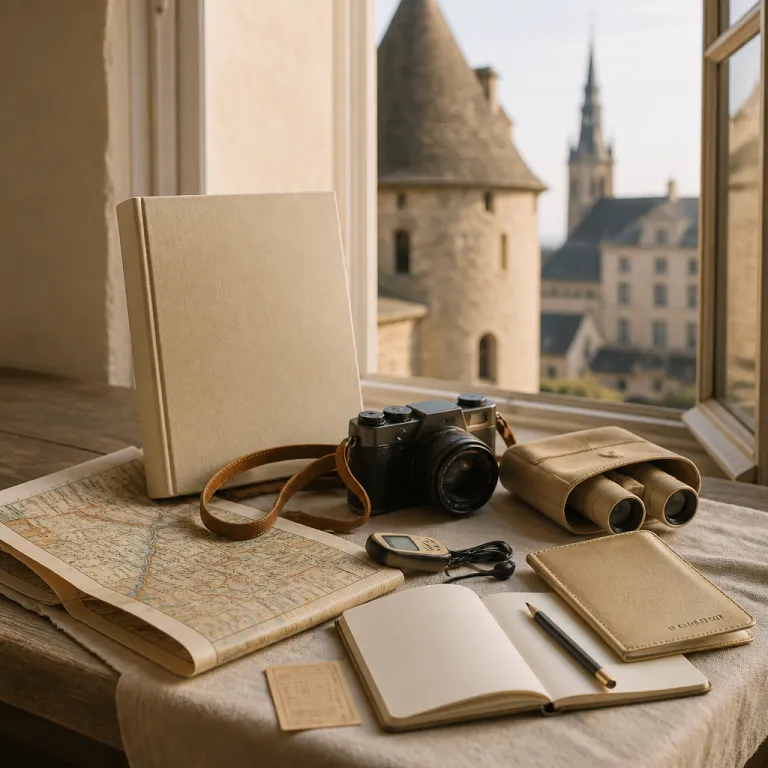
Designing your alsace cultural weekend guide around one city and one route
Start your alsace cultural weekend guide by choosing a single anchor city. For most travelers in France, that means either Strasbourg or Colmar, both perfectly placed between the Vosges mountains and the Rhine plain. Limiting your base keeps transfers short and leaves space for real encounters with Alsatian history.
From Strasbourg, you can visit the cathedral, wander the half timbered lanes of La Petite France, then follow the first stretch of the Route des Vins d’Alsace. This historic wine route, officially mapped at about 170 km by the regional tourism board, threads through villages with timbered houses, Romanesque churches, and discreet luxury hotels that understand the rhythm of a business leisure trip. Regional TER trains link Strasbourg and Colmar in about 30 to 35 minutes, and driving the same route takes roughly 45 minutes in normal traffic, which makes day trips easy even without a car.
From Colmar, the route des vins feels more intimate, with vineyards almost brushing the façades of the old city. Think of your weekend Alsace plan as three movements rather than a checklist. One museum, one castle, and one village per day will give you depth, not fatigue, and it will let you taste Alsace wine in context rather than between rushed visits. This slower pace also suits premium properties, where the best service appears when you are not racing to the next site, and it works just as well if you choose a well located boutique or mid range hotel near the historic center.
Strasbourg and Colmar: where luxury hotels meet layered history
Strasbourg is the natural starting point for many executives extending a work trip into leisure. The city concentrates institutions, gastronomy, and high end hotels within a compact historic core, making it ideal for a refined cultural weekend in Alsace. Around the cathedral, half timbered houses lean over canals, yet the service culture is quietly cosmopolitan.
Plan one full day to visit Strasbourg’s cathedral, its museums, and the riverside quarters that link France and Germany in a single walk. Strasbourg Cathedral is generally open from early morning until early evening (roughly 8:00 to 19:00, with tower access charged separately and closing earlier in winter). In the evening, build your program around a luxury summer evening by the cathedral illuminations, using a curated resource such as this guide to Strasbourg after sunset. This balance between cultural visits and carefully chosen hotel restaurants is what turns a simple trip into a considered experience.
Colmar, by contrast, feels like a distilled version of the Alsace region, with canals, painted façades, and quiet squares. The Unterlinden Museum in Colmar houses the Isenheim Altarpiece, one of the most powerful works of late medieval art and a must for any cultural visit, and nearby luxury hotels such as La Maison des Têtes or L'Esquisse Hotel & Spa often arrange private transfers or timed entries. The museum usually opens from late morning to early evening (around 9:00 or 10:00 until 18:00, with slightly shorter hours on Sundays) and charges a modest entrance fee in the €13–€15 range that can be included in regional passes. Between Strasbourg Colmar transfers, you can add a stop in an Alsatian wine village for a glass of Riesling before returning to your hotel spa, or to a characterful guesthouse if you prefer a smaller budget.
Castles above the vines: Haut-Koenigsbourg and its quieter cousins
No serious alsace cultural weekend guide can ignore the castles that watch over the vineyards. Haut-Koenigsbourg Castle, above Orschwiller, is the most visited fortress in the region and for good reason. Its ramparts offer a sweeping view from the Vosges to the Black Forest, and its restored rooms tell the story of a frontier between France and the German world.
Haut-Koenigsbourg works best as the single major castle of your weekend Alsace itinerary. Arrive early with prebooked tickets from your hotel concierge, then follow a self guided or guided route through the towers before descending to the wine route for lunch. The site charges an entrance fee (around €12 for adults, with reduced rates for children and occasional free days) and is typically open from mid morning to late afternoon, slightly longer in summer according to the official castle schedule. Many travelers pair the visit with a tasting of des vins d’Alsace in nearby villages, letting the landscape they saw from the castle translate into glasses of Alsatian wine.
If you prefer quieter sites, Hohlandsbourg Castle above Wintzenheim offers spectacular views over the vineyards near Colmar. Further north, Fleckenstein Castle near Lembach, with its cave stairs carved into the rock, suits travelers who enjoy light hiking in the Vosges mountains. Both sites are easiest to reach by car, with parking near the entrance and marked walking paths to the ruins. Ask your hotel to arrange a driver so you can move from fortress to cellar without watching the clock, or use a rental car and local maps if you are traveling on a more independent budget, and end the day with tarte flambée and a mature Pinot Gris back at your property.
Museums, abbeys, and artisan routes for a cultured weekend Alsace
Beyond the headline castles, the alsace cultural weekend guide should include at least one museum or abbey that anchors the region’s history. In Colmar, the Unterlinden Museum deserves two unhurried hours, especially if you are interested in late medieval art and the spiritual roots of the wine region. In Molsheim, the Kartäuserkloster Museum occupies a former Carthusian monastery and offers a quieter, more introspective reading of Alsatian history.
For travelers based near Strasbourg, an abbey or artisan village along the route des vins adds texture to the trip. Use a curated trail such as this Alsace artisan trail from your hotel door to connect glassmaking, ceramics, and sacred sites in a single day. Hotels that understand business leisure guests will coordinate opening hours, private guides, and transfers so you can move from cloister to workshop without stress, while smaller family run inns can often suggest local artisans within a short drive or bus ride.
Mulhouse, often overlooked in a typical trip ideas list, rewards those who appreciate industrial and design heritage. Its museums speak to the textile and automotive past of the Alsace region, and the city’s emerging food scene pairs well with structured Alsace wine. From Strasbourg, direct trains take around 50 to 60 minutes, and from Colmar about 20 to 30 minutes on the TER network, which makes a day trip realistic. Ask your concierge for a route that links a morning museum visit, a lunch of tarte flambée in a contemporary brasserie, and an afternoon tasting of des vins in a nearby village.
Seasonal rhythms: from Christmas markets to summer in the Vosges
The same alsace cultural weekend guide feels very different in December and in June. In winter, Strasbourg, Colmar, and many smaller villages glow with Christmas markets that transform squares into intimate salons. The best hotels use this season to showcase local artisans, refined takes on tarte flambée, and carefully curated Alsatian wine lists.
During the Christmas period, plan fewer visits and more time simply walking between each Christmas market, then retreating to your hotel bar for a glass of late harvest Gewurztraminer. Markets usually open from late morning until early evening (often around 11:00 to 20:00, with extended hours on weekends), and crowds peak in the late afternoon. The interplay between the half timbered architecture, the scent of spices, and the glow of lights makes even a short trip feel immersive. Luxury properties in the Alsace region often secure priority access or quieter viewing slots, which matters when the city is crowded, while mid range hotels near tram lines give you easy access without needing a private driver.
In summer, shift your focus toward the Vosges and the Vosges mountains, where castles, chapels, and forest trails offer cooler air. A morning hike above the wine route followed by a long lunch in a village inn gives you a different angle on Alsatian culture. Many marked trails start within a 20 to 40 minute drive from Strasbourg or Colmar, and local buses serve some of the lower altitude villages on weekends. Here, the best hotels arrange picnics, private guides, and transfers so you can enjoy the landscape without worrying about logistics or time.
Pairing cultural visits with Alsace wine and high level hospitality
The most rewarding alsace cultural weekend guide treats wine as part of the region’s heritage, not just a tasting checklist. After a morning at a museum or castle, plan an afternoon with a vigneron who can explain how the same slopes you saw from Haut-Koenigsbourg shape their Riesling and Pinot Noir. Many luxury hotels along the wine route employ sommeliers who know the producers personally and can secure rare bottles.
To go deeper, use a specialist resource such as this guide on what your hotel sommelier in Alsace really wishes you would order. It will help you move beyond generic Alsace wine labels toward specific terroirs and vintages that match your meals. Not the winstub menu, but the Grand Cru the vigneron opens only when the stork returns; that is the level of detail that turns a simple dinner into a cultural event.
Throughout your trip, alternate structured tastings of des vins with relaxed glasses in hotel lounges, always pairing them with local dishes such as tarte flambée or choucroute. Many cellars charge a small tasting fee that is waived if you buy a bottle, and some villages host evening events where several producers pour side by side. This is where the Franco German character of the region becomes tangible, in the way a dry Riesling cuts through rich food after a day of visits. A well designed weekend Alsace itinerary will leave you with a mental map that links each glass to a specific village, slope, or castle tower.
How to choose the right luxury hotel for a cultural weekend Alsace
For a cultural weekend Alsace, the right hotel is not only about thread count. It is about how well the property connects you to the surrounding city, villages, and wine route without friction. In Strasbourg and Colmar, look for addresses that offer concierge teams fluent in both French and English, with strong relationships to local guides and museums.
Ask specific questions before you book, especially if you are combining business and leisure on the same trip. Can the hotel arrange timed entries at Haut-Koenigsbourg or the Unterlinden Museum, or coordinate a private driver for a day along the route des vins d’Alsace? Properties that answer quickly and precisely tend to deliver the best on the ground experience. They will also understand the needs of executives who may need a quiet corner for calls between visits, while smaller boutique hotels can often suggest self guided walking routes and public transport options instead of private cars.
In the villages along the Alsace wine route, focus on hotels that sit within walking distance of both vineyards and historic streets lined with timbered houses. This lets you move from a morning tasting of Alsatian wine to an afternoon stroll among half timbered façades without touching your car. Over time, certain photographers and curators such as Max Coquard and the team behind Coquard Best Jobers have highlighted exactly this blend of landscape and architecture, and their work can be a useful visual reference when you plan.
Key figures for a cultural weekend in Alsace
- Alsace counts around 80 castles open or visible to visitors, which makes it one of the densest castle regions in France according to Visit Alsace and regional heritage surveys published in the early 2020s.
- Haut-Koenigsbourg Castle welcomes around 500 000 visitors per year, confirming its status as the most visited fortress in the Alsace region and a central stop on many cultural itineraries, based on pre-2020 attendance figures shared by the site.
- The Route des Vins d’Alsace stretches for more than 170 km between Marlenheim and Thann, linking dozens of wine villages, timbered houses, and luxury hotels in a single coherent route, as indicated in official tourism brochures.
- Strasbourg’s main Christmas market dates back several centuries and now attracts millions of visitors each season, which makes early hotel booking essential for a refined stay, especially in peak years such as 2019.
- Regional tourist passes and digital guides are increasingly used by cultural travelers in Alsace, reflecting a broader trend toward self guided but well structured visits noted in tourism reports from the last decade.
FAQ about planning a cultural weekend in Alsace
What is the most visited castle in Alsace ?
Haut-Koenigsbourg Castle is the most visited. This restored fortress near Orschwiller combines panoramic views, detailed interiors, and easy access from both Strasbourg and Colmar, which makes it a natural centerpiece for a weekend Alsace itinerary.
Are guided tours available at the main cultural sites ?
Yes, guided tours are offered at most locations. At major attractions such as Haut-Koenigsbourg, Fleckenstein, and the Unterlinden Museum, you can choose between scheduled group visits, private guides arranged by your hotel, or audio guides for a more flexible rhythm.
Is there an entrance fee for castles and museums in Alsace ?
Yes, most sites charge an entrance fee. Prices vary by site and season, and many travelers choose regional tourist passes that bundle several castles and museums, which can be cost effective over a full cultural weekend.
How should I pace my alsace cultural weekend guide for depth, not fatigue ?
Plan for one major site in the morning and one lighter visit in the afternoon, then leave space for a long meal and a glass of Alsace wine. For example, combine Haut-Koenigsbourg with a single village on the wine route, or the Unterlinden Museum with a relaxed walk through Colmar’s old city. This approach respects both your energy and the slow, layered character of the region.
Which city is better as a base, Strasbourg or Colmar ?
Strasbourg is better if you value a larger city with more restaurants, cultural institutions, and direct train connections, especially for business travelers extending a work trip. Colmar excels if you want immediate access to the wine route, smaller villages, and a more intimate atmosphere. Both offer excellent luxury hotels, so your choice should reflect whether you prefer urban energy or village proximity.