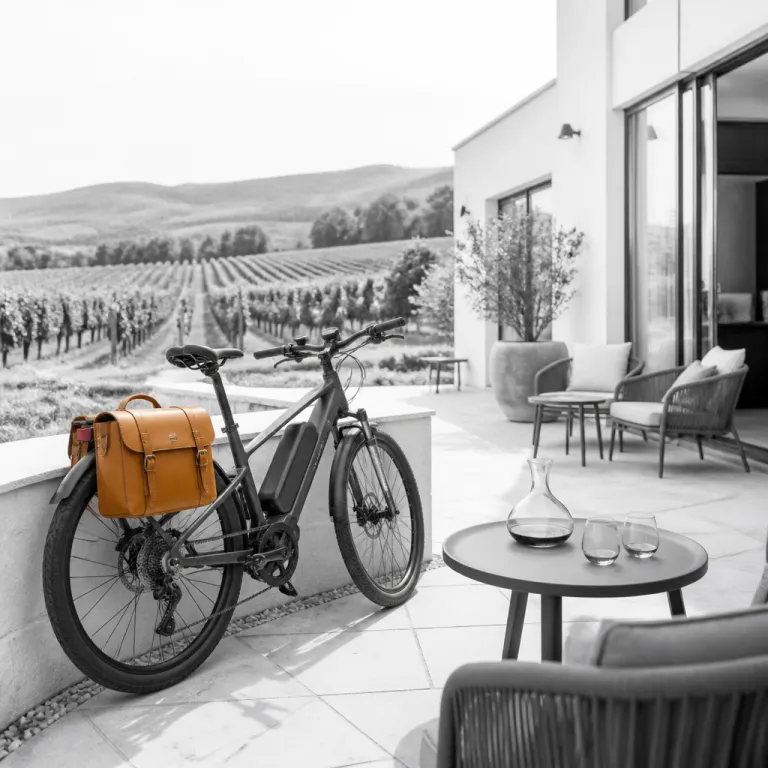
Alsace wine route cycling e-bike: where luxury hotels meet the vines
The Alsace Wine Route runs for about 170 km, threading together pastel villages, steep vineyards and serious cellars. For a couple planning an e-bike escape along the Alsace Wine Route, that compact geography means you can glide from one luxury hotel to the next in a single day, without sacrificing long wine lunches or spa time. The region’s gentle terrain and largely car-free vineyard lanes make this one of France’s most elegant settings for a cycling holiday focused on wine and comfort.
From Strasbourg’s historic centre to Colmar’s canals, the corridor of the route is stitched with small towns where premium hotels sit almost inside the vineyards. Many of these addresses now treat the electric bike as standard equipment, offering on-site bike rental, secure storage for guests’ own bikes and concierge-crafted GPS tracks that link the most characterful Alsatian villages. When you plan your trip as a sequence of short stages, each day becomes a curated bike tour between a local winery visit, a serious wine tasting and a refined dinner back at your hotel.
Specialist operators have elevated this style of travel into a polished product that suits every fitness level. Abicyclette Voyages, for example, runs luxury e-bike itineraries along the wine route, pairing high-quality cycling options with handpicked hotels and support vehicles that quietly shadow your activity. Butterfield & Robinson focuses on guided rides through emblematic Alsatian villages such as Hunawihr, Kaysersberg, Ribeauvillé, Riquewihr and Eguisheim, where the view from the saddle often rivals what you see from the tasting room.
Choosing wine country retreats that truly welcome cyclists
Not every five-star address along the wine route is equally prepared for guests arriving by e-bike in Alsace. The best hotels understand that a cycling holiday has its own rhythm, and they adapt breakfast times, laundry services and spa schedules so you can ride early, taste wine later and still arrive at dinner unhurried. When you book, ask explicitly about secure bike storage, access to tools for a quick bike check and whether they can arrange same-day bike rental if your plans change.
Properties embedded in the vineyards offer a particular advantage for couples who want to share quiet evenings after a full day of travel. A hotel such as James Vignoble Hôtel Eguisheim sits above the village with a panoramic view over the vines, and it provides electric bike tours that link nearby villages without ever touching a main road. For many guests, that combination of pool, spa and direct access to vineyards turns a simple trip into a deeply relaxing activity focused on Alsace’s taste and terroir.
If sleeping among the vines appeals, study curated guides to vineyard hotels that specialise in wine country retreats. On stay-in-alsace.com, the dedicated page on vineyard hotels on the Route des Vins highlights properties where you can step from breakfast straight onto your bike tour. I highly recommend prioritising hotels that can book a local winery visit for you, because integrated wine tastings at the end of a ride feel very different from a rushed stop between car transfers.
Designing your multi day e-bike itinerary between tastings
Planning an Alsace Wine Route cycling holiday by e-bike is about pacing, not distance, because the terrain rarely forces you to push your limits. A classic pattern is to ride in the cool morning light, pause for a long lunch in one of the Alsatian villages and then spend the late afternoon in a cellar for structured wine tastings. Official guidance from regional cycling specialists such as Alsace à Vélo is clear on timing: “April to October offers favorable weather and vineyard activities.”
One elegant seven-day framework starts in Strasbourg, follows the wine route south through Obernai, Riquewihr and Colmar, then loops back by train connections if you prefer not to ride the same route twice. For example, Strasbourg to Obernai is roughly 30 km, Obernai to Riquewihr about 45 km via Barr and Andlau, and Riquewihr to Colmar around 15 km, all comfortable stages for most fitness levels when using an electric bike on rolling vineyard terrain. Because e-assist smooths out the climbs between villages, couples with different ability levels can still share the same activity and arrive at the hotel with energy left for the spa.
To deepen your sense of place, weave in events that celebrate Alsatian wine culture beyond a standard wine tasting. Regional programmes such as the immersive evenings featured in stay-in-alsace.com’s coverage of the Tournée des Terroirs vineyard experiences, organised by the Conseil Interprofessionnel des Vins d’Alsace (CIVA), show how producers are rethinking the link between vineyards and visitors. Aligning one night of your trip with such an event can turn a simple cycling holiday into a narrative that follows the life of the vines from day to night.
Practical logistics: trains, rentals and heat wise riding
Reaching the Alsace Wine Route corridor by train is straightforward for international travellers, because Strasbourg and Colmar both sit on major rail lines. From either station you can connect by regional services to smaller stops near key villages, then start your bike tour directly from the platform. Many luxury hotels will arrange a private transfer for you and your bikes, which is especially useful if you are carrying your own high-end equipment.
If you prefer to travel light, rely on local bike rental partners who specialise in electric bike fleets adapted to vineyard terrain. Tour operators such as Abicyclette Voyages and Butterfield & Robinson typically include premium bikes, GPS units and a support vehicle in their packages, which removes the stress of mechanical issues mid-trip. Independent travellers can still access similar quality by booking e-bikes in advance in Strasbourg, Colmar or directly through hotels that maintain their own small fleets.
Summer riding along the wine route requires a little strategy, even with electric assistance. Aim to start your cycling activity early in the day, when the air is cool and the view over the vineyards is at its clearest, then reserve the hottest hours for shaded wine tastings or a poolside pause. Vineyard lanes often feel cooler than main roads because the vines and small patches of woodland break the sun, so choosing car-free backroads is both safer and more comfortable.
Village by village: where to linger between Strasbourg and Colmar
The real pleasure of an Alsace Wine Route cycling escape lies in how slowly you can move between villages. North of Colmar, the trio of Ribeauvillé, Riquewihr and Hunawihr forms a compact amphitheatre of vineyards where each day’s ride can be short, but each stop rich in Alsatian taste and character. Here, the view from the ramparts or a hillside chapel often stretches across multiple villages, giving you a sense of how the wine route stitches them together.
Eguisheim, with its concentric streets and half-timbered houses, works beautifully as a base for two or three nights. From a hotel such as James Vignoble Hôtel Eguisheim, which offers an outdoor pool, spa area and on-site e-bike rental, you can design circular routes that link nearby villages like Turckheim or Pfaffenheim, returning each afternoon for a swim and a glass of chilled Alsatian wine on the terrace. South towards Rouffach and Guebwiller, the terrain becomes slightly more dramatic, but an electric bike keeps the effort at a comfortable level while still rewarding you with big-sky views.
As you scroll through maps and hotel listings, think of your trip as a sequence of contrasting atmospheres rather than a checklist of sights. One night in Strasbourg’s historic centre, another in a quiet wine country retreat and a final stop in Colmar lets you share both urban and rural sides of Alsace in a single travel arc. For couples considering a broader France itinerary, the comparison piece on elegant city and countryside hotels offers useful context on how Alsace’s vineyard stays stack up against Parisian addresses.
FAQ
What is the best time of year for an alsace wine route cycling e-bike trip ?
The most comfortable window for an e-bike holiday on the Alsace Wine Route runs from spring to late autumn, when temperatures are mild and the vineyards are active. Regional experts summarise it clearly: “April to October offers favorable weather and vineyard activities.” Outside this period, some hotels and restaurants reduce hours, and shorter days make it harder to combine long rides with extended wine tastings.
Are e-bikes suitable for all fitness levels on the Alsace Wine Route ?
Modern electric bike models used on the wine route are designed to support a wide range of fitness levels. The motor assistance flattens most climbs between villages, so couples with different abilities can still share the same bike tour and arrive at the hotel with similar energy. As local guidance notes, “Yes, e-bikes assist riders, making the route accessible to most.”
Do organised e-bike tours along the Alsace Wine Route include wine tastings ?
Specialist operators such as Abicyclette Voyages and Butterfield & Robinson build structured wine tastings into their itineraries, often at a carefully chosen local winery in each sector of the route. These tastings are usually pre-booked, which ensures you have enough time to enjoy several Alsace wine styles without rushing back onto the bikes. Official information confirms that “Yes, most tours feature visits to wineries with tastings.”
How far should I plan to ride each day on an e-bike in Alsace ?
For a relaxed Alsace Wine Route cycling holiday focused on luxury hotels and gastronomy, plan for 25 to 40 km per day. That distance allows time for a leisurely breakfast, a few photo stops with a wide view over the vineyards and at least one substantial wine tasting without feeling hurried. Because the terrain is generally gentle and the electric bike provides assistance, you can adjust the level of effort simply by changing the support mode.
Is it easy to reach the Alsace Wine Route by train with bikes ?
Access by rail is straightforward, since Strasbourg and Colmar are both major hubs with frequent services from Paris and other European cities. From each train station you can connect to smaller stops along the wine route, then start your cycling activity directly or arrange a hotel transfer for you and your bikes. Many luxury properties used to hosting cyclists will help coordinate these logistics, making a car-free trip entirely realistic for international visitors.