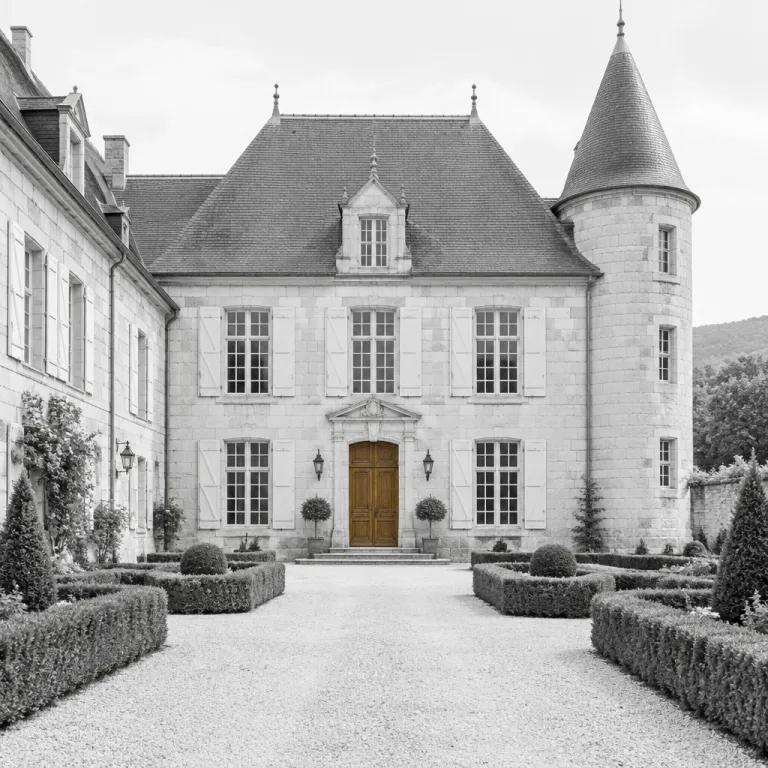
Why a château in France is perfect for an Alsace escape
Choosing a château in France for your Alsace stay transforms the entire journey. You move from a standard hotel corridor to a lived-in castle where every stone reflects centuries of French culture and hospitality. The result is a stay that feels both intimate and grand, with countryside views that frame each moment.
In Alsace, many a French château has been restored as a luxury hotel, yet still feels like a private estate rather than a museum. Thick walls from a fifteenth or sixteenth century château now hide spa suites, Michelin-inspired dining rooms, and landscaped grounds that often stretch to vineyards. Guests enjoy a refined balance between heritage and comfort, with each property curated to highlight the best of French art de vivre. Notable examples include château-style hotels such as Château d’Isenbourg near Rouffach, Château de l’Ile close to Strasbourg, and Château de Pourtalès on the city’s edge, all of which combine historic architecture with contemporary amenities.
Travellers comparing a château in France with a classic manor house quickly notice the difference in scale and atmosphere. A château or castle usually sits on more extensive land, with formal gardens, a chapel dedicated to a local saint, and sometimes a small gallery of regional art. A manor house in Alsace tends to feel more like a grand family residence, with fewer rooms but equally beautiful interiors and warm service.
On a premium booking website focused on Alsace, filters help you refine your château search by estate style, room category, and countryside views. You can compare each property by swimming pool facilities, spa access, and whether the château offers a panoramic view over vineyards or forest. This level of detail matters when you are choosing between a French château near the Vosges foothills and a castle closer to Strasbourg or Colmar.
Historic hotels in Alsace often highlight their exact century in the description, which is essential for heritage lovers. A seventeenth century château will feel different from a nineteenth century château, with varied ceiling heights, staircases, and façade styles. When you book, pay attention to whether the property is listed as a protected monument, because this usually guarantees meticulous restoration and strict preservation standards.
Many travellers associate a château in France with the Loire Valley or Versailles, yet Alsace offers a quieter alternative. You still enjoy the romance of a French château and the elegance of a castle estate, but with half-timbered villages and vineyards instead of royal parades. This contrast between royal imagery and rural charm is precisely what makes Alsace such a beautiful choice for a first or repeat visit.
Understanding historic château hotels in Alsace
Historic château hotels in Alsace sit at the crossroads of French history and Germanic influence. Many began as fortified castle structures guarding trade routes, then evolved into a gentler estate or manor house as borders shifted. Today, these properties welcome guests who want character-filled rooms rather than anonymous layouts.
On a specialist booking website, you will often see clear references to the original land size and agricultural past of each property. Some château estates still manage vines or orchards, while others have transformed former farm buildings into spa areas or a contemporary gallery. This agricultural heritage shapes the cuisine, with seasonal menus that pair local wines and regional dishes in a way that feels deeply rooted in French culture.
Wellness is another defining feature of many château in France stays, and Alsace is no exception. Several historic hotels integrate thermal or spa facilities, drawing on the region’s long-standing bathing traditions and mineral-rich waters. For travellers who prioritise wellness, a detailed guide to Alsace’s distinctive spa and thermal experiences helps you match the right château property to your preferred rituals.
Because these are protected buildings, room layouts can vary significantly even within the same château. One wing might offer grand suites with a sweeping view over the park, while another holds cosy attic rooms under exposed beams. A good booking platform will show accurate floor plans and multiple photos of each room category, so you can select the exact rooms that fit your expectations.
Historic hotels also tend to emphasise their connection to local saints and traditions. You may find a chapel dedicated to Saint Odile or Sainte Richarde on the grounds, or a small gallery of religious art preserved from earlier centuries. These details give context to the estate and help guests understand how faith, land, and architecture intertwined in this part of France.
When you compare prices, remember that a château in France usually includes access to large shared spaces that a city hotel cannot offer. Grand salons, libraries, landscaped grounds, and sometimes a heated swimming pool are part of the experience, even if you only book an entry-level room. Evaluating the price against the full property offering, rather than just the bedroom, gives a more accurate sense of value.
How Alsace compares with the Loire Valley and other château regions
Many travellers first encounter the idea of a château in France through images of the Loire Valley. Names like Chambord, Chenonceau, and the palace of Versailles shape expectations of what a French château should look like. Alsace offers a different expression of grandeur, more intimate and often framed by vineyards rather than royal hunting forests.
In the Loire Valley, a château estate often stretches across a vast land size, with formal gardens, moats, and long tree-lined drives. Historic hotels there sometimes occupy a former royal or ducal property, with architecture that reflects the height of Renaissance French style. By contrast, an Alsatian castle or manor house usually feels closer to the surrounding village, with half-timbered façades and steeper roofs adapted to the climate.
Travellers who enjoy comparing regions might combine an Alsace stay with time in Nouvelle-Aquitaine or the Midi-Pyrénées, where château hotels dot the countryside. Each region offers its own interpretation of a castle in France, from riverfront estates in Indre-et-Loire to hilltop fortresses in the Plus Beaux Villages of the south-west. For coastal inspiration, curated guides to elegant south of France hotels can complement your research into inland château stays.
Alsace stands out for travellers who value proximity and practicality. Distances between Strasbourg, Colmar, and the wine route villages are short, so you can stay in one château and still visit multiple towns, vineyards, and castles in a single trip. This compact geography contrasts with the broader spread of properties in the Loire Valley or Centre-Val de Loire, where driving times between estates can be longer.
Another difference lies in how château hotels integrate wine tourism. In Alsace, many properties sit directly among vines, offering countryside views that change colour with each season and tastings focused on Riesling, Gewurztraminer, and Pinot Gris. In the Loire Valley and Val de Loire, château hotels often highlight Chenin Blanc and Cabernet Franc, with river landscapes shaping the overall atmosphere.
For travellers who have already stayed in a château in France along the Loire, Alsace feels like a refined next step. You still enjoy the romance of a French château and the comfort of a historic estate, but with a different culinary palette and architectural language. This contrast keeps repeat château stays fresh, especially for guests who appreciate both variety and continuity in their travel patterns.
Key booking criteria for a château stay in Alsace
When you book a château in France through a premium Alsace platform, clarity on criteria is essential. Start by defining your priorities around rooms, location, and on-site facilities, then let the filters refine your shortlist. This approach prevents you from being swayed only by a beautiful façade or a single gallery image.
Room configuration is often the first decision point, especially for couples and families. Some château hotels offer only a handful of rooms, while others operate closer to a small castle resort with dozens of keys and multiple wings. Check whether you prefer a period-furnished suite with antique furniture or a more contemporary room within a historic shell.
Next, consider the estate setting and land size, which directly influence the atmosphere of your stay. A compact manor house near a village square offers quick access to restaurants and shops, while a larger property on extensive land delivers deeper tranquillity and more expansive countryside views. If you plan to spend long days on site, a larger estate with walking paths, gardens, and perhaps a swimming pool will feel more rewarding.
Price transparency is another hallmark of a trustworthy booking website. Look for clear breakdowns that show what is included in the nightly rate, such as breakfast, spa access, or parking, and what counts as an extra. Comparing the price of different château in France options becomes easier when you know exactly how each property structures its offer.
Location within Alsace also shapes your experience. A château near Turckheim or Kaysersberg places you in the heart of the wine route, while a property closer to Strasbourg suits travellers who want both city culture and rural calm; a detailed guide to staying in Turckheim, the walled Alsace village is particularly useful for guests seeking an alternative to Colmar. Always check driving times to key sights, especially if you plan multiple day trips.
Finally, pay attention to how each property communicates its story. A château or castle that clearly explains its century, restoration philosophy, and connection to local saints or historical figures usually reflects strong stewardship. This sense of care often translates into better maintained rooms, more attentive service, and a more coherent overall experience for guests.
From Loire legends to Alsatian estates: reading château descriptions wisely
Descriptions of a château in France can be poetic, but you need practical details. When a listing mentions a specific-century château, look for information about which parts of the building date from that era and which are later additions. This helps you understand whether you are sleeping in the oldest wing or a more recent extension.
References to the Loire or Centre-Val de Loire in an Alsace listing usually signal stylistic inspiration rather than location. Some owners model their gardens or interiors on famous Loire Valley properties, drawing on the symmetry of Versailles or the riverfront elegance of estates sur Loire. These nods to other regions of France can enrich your stay, but they should not obscure the authentic Alsatian character of the property.
Terms like manor house, castle, and château are sometimes used loosely, so read carefully. A manor house generally indicates a more domestic scale, while a castle suggests fortifications, towers, or a defensive past, and a château often denotes a residential estate with landscaped grounds. Understanding these nuances helps you align your expectations with the actual property type.
Many listings now highlight countryside views as a key selling point. In Alsace, this might mean vineyards rolling towards the Vosges, forested hills, or a patchwork of fields and Beaux Villages in the distance. When a property emphasises its view repeatedly, check the photos to confirm whether this panorama is available from all rooms or only from certain suites and terraces.
Some travellers researching a château in France also browse real-estate-style platforms that feature châteaux for sale. While these château sale or sale castle listings focus on ownership rather than hospitality, they can still teach you about land size, architectural details, and regional variations between Rhône-Alpes, Nouvelle-Aquitaine, Midi-Pyrénées, and Alsace. This background knowledge makes you a more informed guest when you eventually book a stay instead of a sale France property.
Finally, pay attention to how a listing describes water features. A swimming pool can range from a simple outdoor basin to a full spa complex with indoor lanes, hydrotherapy, and views over the estate. Clear descriptions and photos help you understand whether the pool is central to the experience or simply a pleasant extra during warmer months.
Practical tips for planning your château itinerary in Alsace
Planning an itinerary around a château in France stay in Alsace requires a balance between relaxation and exploration. Start by deciding how many nights you want to spend in one property, then build day trips around that fixed base. This approach lets you fully enjoy the estate while still visiting nearby villages and cultural sites.
Many travellers choose a château near the Route des Vins to maximise access to vineyards and Beaux Villages. From such a base, you can visit places like Riquewihr, Eguisheim, and Kaysersberg, each with its own mix of half-timbered houses, church towers dedicated to local saints, and small galleries. Returning each evening to the calm of a castle estate with countryside views creates a satisfying rhythm.
For guests interested in architecture, combining Alsace with a short trip to the Loire Valley or Indre-et-Loire offers a broader perspective on the château in France tradition. You might spend several nights in an Alsatian manor house, then travel to a larger estate sur Loire or in Centre-Val to experience a different scale of property. This contrast highlights how regional materials, climate, and history shape each French château.
Food and wine should anchor your planning, especially in a region where French gastronomy is central to daily life. Many château hotels offer tasting menus that pair local wines with seasonal produce, sometimes served in rooms that once hosted nobility or clergy. Booking these dinners in advance ensures you secure a table at the most beautiful times, particularly weekends and holidays.
Transport logistics also deserve attention. If you plan to visit multiple castles, villages, and thermal spas, renting a car gives you flexibility to reach more remote estates and enjoy the land between them. Always check parking arrangements at your chosen château, especially if the property sits within a historic village with narrow streets.
Finally, leave space in your schedule simply to enjoy the property itself. Time spent reading in a salon, swimming in the pool, or walking the land at sunset often becomes the most vivid memory of a château in France stay. In a world of constant movement, allowing yourself to inhabit a single estate for a while is a rare and deeply rewarding luxury.
Key statistics about château tourism and historic hotels in France
- France counts more than 45,000 protected historic monuments, and several thousand of these are castles or châteaux that contribute directly to cultural tourism according to the Ministère de la Culture.
- The Loire Valley, often called the “Val de Loire”, attracts over 3 million visitors annually to its major châteaux, making it one of the most visited historic regions in the country according to regional tourism boards.
- Heritage tourism represents roughly 12% of total tourist spending in France, with château visits and stays forming a significant share of this segment based on data from Atout France.
- Alsace records several million overnight stays each year, and a growing proportion of these are in character-filled historic hotels and château-style properties, reflecting a shift towards experiential travel.
FAQ about staying in a château in France and Alsace
Is staying in a château in Alsace more expensive than a regular hotel?
Rates for a château in France stay in Alsace vary widely, but they are not always higher than standard four-star hotels. Prices depend on land size, facilities such as a spa or swimming pool, and the number of rooms available. Comparing inclusions like breakfast, parking, and wellness access helps you judge overall value accurately.
Do château hotels in Alsace accept children and families?
Many château hotels in Alsace welcome families, though some position themselves as adults-only retreats. Family-friendly estates often provide larger rooms, interconnecting options, and outdoor space for children to play safely. Always check age policies and available amenities before booking if you are travelling with younger guests.
Do I need a car to enjoy a château stay in Alsace?
A car is highly recommended for a château in France stay in Alsace, especially if the property sits in the countryside. Public transport between villages and estates can be limited, and a car lets you visit vineyards, castles, and Beaux Villages at your own pace. Some hotels can arrange transfers or private drivers if you prefer not to drive.
How many nights should I plan in a château hotel in Alsace?
For most travellers, three to four nights in a château hotel provide enough time to enjoy the estate and explore nearby villages. Shorter stays can still be rewarding, but you may feel rushed if you try to cover too many sights. Longer visits work well if you combine work and leisure or use the property as a base for wider regional touring.
Are château hotels in Alsace open all year round?
Many château hotels operate year-round, but some close for part of the winter for maintenance or seasonal breaks. Availability can also vary between weekdays and weekends, especially during major holidays and wine harvest periods. Checking opening dates and minimum stay requirements early helps secure your preferred property and room type.