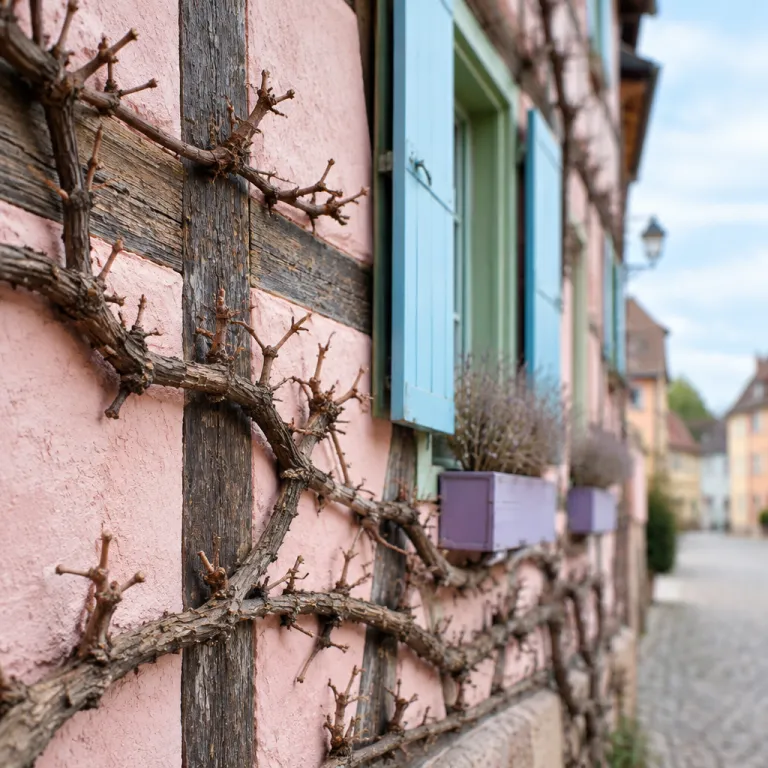
World Tourism Day from the heart of Alsace’s vineyards
World Tourism Day lands gently in Alsace, just as the vines shift from deep green to gold. The region feels poised between seasons, and sustainable tourism in Alsace stops being a slogan and becomes a set of precise choices about when you travel, how long you stay, and which hotel you entrust with your time. In this grand Est region, responsible travel is increasingly defined by slower itineraries, extended nights, and a quieter relationship with nature.
Colmar, Riquewihr, and Eguisheim carry the weight of overtourism when summer tourism peaks and day trippers crowd every maison façade. Local hoteliers in the est region now speak openly about sustainable development and responsible tourism, encouraging guests to read their pre arrival emails with ideas for off peak nature activities and car free routes. The most forward thinking hotel teams in Alsace are reframing sustainable tourism as a year round pact between visitor, local producers, and the fragile villages that sit at the heart of the vineyards.
For the solo explorer planning a stay in the grand Est, this shift is an invitation to rethink timing. Arrive after the main rush and sustainable tourism in Alsace becomes tangible, from easier access to a guided tour in Strasbourg to quieter tastings with local producers in a family run maison. You feel responsible travel in your own hand as you choose an eco friendly hotel, a restaurant that cooks with local produce, and a bike itinerary that replaces a rental car.
From honeypots to hidden lanes in Strasbourg and the wine route
Strasbourg remains the symbolic capital of the est region, yet its historic centre now balances global tourism with a strong eco responsible stance. The city’s tram network, dense bike lanes, and compact heart make car free stays effortless, and sustainable tourism in Alsace starts here with a hotel near the river that offers bike keys instead of parking vouchers. When you walk from the cathedral to Petite France at dusk, you sense how responsible travel can soften the pressure on streets that once felt overwhelmed.
Along the Route des Vins, the picture is more complex, because the same half timbered maison that enchants you in Kaysersberg or Riquewihr also attracts bus tours. Luxury properties now respond with minimum stay policies in peak periods, encouraging longer visits that spread spending across local producers, from a small restaurant in a side street to a discreet cellar like Maison Jean Huttard in Zellenberg. This is sustainable tourism in Alsace in practice ; fewer arrivals, longer durations, and more meaningful contact with the people who actually live and work in the region.
World Tourism Day becomes a useful lens rather than a marketing date, because it prompts both travellers and hoteliers to read their own habits honestly. If you usually rush through the grand Est in two nights, this is the moment to consider a single base hotel for four or five nights, using the efficient Kut’Zig shuttle bus and regional trains instead of a car. The reward is a slower rhythm, more time for nature activities between vineyards and forest, and a more responsible tourism footprint that the region can actually sustain.
How luxury hotels in Alsace are redesigning the low season
Across Alsace, the most interesting luxury hotel openings are not chasing only summer and Christmas peaks. They are quietly investing in sustainable tourism in Alsace by making the low season feel like a privilege, with fireplaces lit, spa teams on hand, and restaurant menus that lean into local produce from nearby farms. This is where responsible travel meets comfort ; you stay longer, move less, and let the region come to you.
Properties from Strasbourg to the southern grand Est now build packages around three or four night stays, often including a guided tour with a local historian or a private tasting with a winemaker such as Maison Jean Huttard. By encouraging guests to read the landscape slowly, these hotels reduce the churn of arrivals and departures, which is both environmentally friendly and more sustainable for staff and local suppliers. It is a form of responsible tourism that treats time as the real luxury, not just thread count or spa square metres.
Breakfast has become a quiet frontier for sustainable tourism in Alsace, and you see it clearly in the region’s premium properties. Many now highlight local producers on the buffet, from honey and jams to farmhouse cheeses, and you can explore this shift in depth through curated guides to luxury hotels with refined breakfasts in Alsace, such as this dedicated breakfast focused selection. When a hotel names its suppliers, explains its eco responsible choices, and reduces waste, sustainable development stops being abstract and becomes part of your morning ritual.
Design details that make sustainability feel effortless
Look closely at the design language of the best hotel addresses in the region and you will notice a quiet eco friendly grammar. Natural materials, thick insulation, and intelligent lighting systems are not just environmentally friendly gestures ; they are the infrastructure that makes sustainable tourism in Alsace compatible with high comfort. When a property invests in these details, you feel responsible travel without being lectured about it.
Some maisons in the grand Est now integrate bike garages, repair stations, and drying rooms for wet gear, making it easy to swap a car day for a bike day. Others partner with local producers for in room amenities, from soaps to herbal teas, turning every object you touch into a small lesson in responsible tourism. The most thoughtful hoteliers in the est region understand that the solo explorer wants both elegance and ethics, and they design spaces where nature, culture, and comfort sit in the same room.
World Tourism Day is when these efforts are often showcased internally, but the real test comes in November, February, and early spring. If a hotel in Alsace can keep its eco responsible standards high when occupancy dips, you know sustainable development is part of its DNA, not a seasonal campaign. As a guest, you can read this commitment in the details ; the heating settings, the sourcing of the restaurant menu, and the way staff talk about the surrounding nature and villages.
Car free itineraries, bikes, and vineyard stays for responsible travellers
For anyone serious about sustainable tourism in Alsace, the most powerful decision is to minimise car use. The region is compact, the rail network is efficient, and the Kut’Zig shuttle bus along the wine route turns a string of villages into a single, elegant itinerary. When you combine trains, trams, and bike rentals, responsible travel becomes a natural extension of the way the grand Est was built.
Start in Strasbourg, where the station sits at the edge of the historic heart and most luxury hotels are within walking distance or a short tram ride. From here, you can plan day trips by train to Obernai, Sélestat, or Colmar, then use local bike hire to reach nearby villages and nature activities without touching a steering wheel. Many hotels now provide detailed maps, GPS tracks, and even a guided tour option with local partners, making sustainable tourism in Alsace feel curated rather than improvised.
For solo travellers who like to travel with a dog, the rise of high end pet friendly properties in the region is another subtle win for responsible tourism. When you choose one carefully, such as those highlighted in this guide to luxury pet friendly hotels in Alsace, you can base yourself in a single hotel and explore on foot or by bike, reducing transfers and stress for both of you. This slower, single base approach aligns perfectly with sustainable tourism in Alsace, because it concentrates your spend in one local community while lowering your environmental footprint.
Wine, food, and the quiet power of local producers
Alsace is a region where wine and food are inseparable from identity, and sustainable tourism in Alsace now runs through the cellars as much as the hotels. When you book a tasting at a domaine like Maison Jean Huttard or another small maison in the grand Est, you are not just sampling Riesling ; you are supporting a family that farms the same slopes you photograph. Responsible travel here means asking about organic practices, energy use, and how they work with nature to protect the hillsides.
Restaurants from Strasbourg to the southern est region increasingly foreground local produce, listing farms and cheesemakers by name and adjusting menus to what the season allows. As a guest, you can read these menus as a map of sustainable development, because every local ingredient reduces transport, supports local producers, and keeps money in the region. This is environmentally friendly gastronomy, and it pairs naturally with a hotel that sources its breakfast and bar snacks from the same network of artisans.
World Tourism Day is a good moment to audit your own habits and ask whether your spend really stays in Alsace. Choose a guided tour run by a local rather than a distant platform, buy wine directly from a maison instead of a generic shop, and favour a restaurant that works hand in hand with nearby farms. In doing so, you turn sustainable tourism in Alsace from a concept into a series of concrete, delicious decisions.
From Alsace to the wider grand Est: slow travel as a mindset
What begins as sustainable tourism in Alsace often expands into a broader affection for the grand Est as a whole. Once you have experienced a week based in a single hotel, moving by bike and train between vineyards, forests, and river towns, it becomes hard to return to the old form of tourism built on constant transfers. The region rewards those who stay, read the landscape, and let nature set the pace.
Some travellers now pair an Alsace stay with a few days elsewhere in the grand Est, choosing properties that share the same eco friendly and eco responsible ethos. A maison like Le Cheval Blanc in a quiet village, or another historic inn that has invested in sustainable development, can anchor a second chapter of your trip without breaking the slow travel rhythm. For inspiration beyond the Rhine valley, curated guides to elegant Mediterranean stays, such as refined hotel escapes in Corsica, show how the same principles of responsible tourism can apply in very different landscapes.
World Tourism Day, seen from Alsace, is less about speeches and more about choices made quietly in booking engines and hotel lobbies. The solo explorer who opts for shoulder season dates, chooses a property that works closely with local producers, and travels largely by bike and train is already practising sustainable tourism in Alsace at a high level. Over time, these individual decisions shape the est region’s future more than any slogan, turning responsible travel into the default rather than the exception.
Practical ways to align your booking with your values
When you next book a hotel in Alsace, start by checking how clearly it communicates its environmentally friendly practices. Look for information about energy use, waste reduction, partnerships with local producers, and whether the restaurant menu changes with the seasons rather than chasing trends. A property that treats sustainable development as part of its identity will usually be proud to share these details.
Then consider the structure of your itinerary, because sustainable tourism in Alsace is as much about pace as it is about place. Fewer hotel changes, more nights in each maison, and a willingness to use bikes, trams, and trains will reduce your footprint while deepening your connection to the region. This is responsible tourism in its most elegant form ; you travel lightly, stay longer, and let the grand Est reveal itself slowly.
Finally, remember that World Tourism Day is not a one day obligation but a reminder to keep adjusting your habits. Each time you return to Alsace, you can refine your approach, from the hotel you choose to the guided tour you book and the restaurant where you celebrate your last night. Over time, your own pattern of travel becomes a quiet case study in sustainable tourism in Alsace, and the region is better for it.
FAQ about sustainable tourism in Alsace
When is the best time to visit Alsace for responsible travel ?
The most responsible time to visit Alsace is during the shoulder seasons, particularly from early autumn after the main harvest rush and in late winter or early spring. Crowds are lighter in the region, hotels have more time for each guest, and your presence puts less pressure on villages like Colmar and Riquewihr. Travelling then aligns well with sustainable tourism in Alsace because it spreads visitor numbers more evenly across the year.
Can I explore Alsace without renting a car ?
Yes, exploring Alsace without a car is entirely realistic and often more enjoyable. Regional trains link Strasbourg, Colmar, Sélestat, and Mulhouse, while local buses and the Kut’Zig shuttle connect many wine route villages in the grand Est. Combine these with bike rentals and guided tours, and you can practise sustainable tourism in Alsace while still reaching vineyards, forests, and small towns.
What should I look for in a sustainable luxury hotel in Alsace ?
A genuinely sustainable luxury hotel in Alsace will be transparent about its eco friendly and eco responsible practices. Look for clear information on energy efficiency, waste reduction, water management, and partnerships with local producers for the restaurant and spa. Properties that integrate these elements into daily operations, not just marketing, contribute meaningfully to sustainable tourism in Alsace.
How can I support local producers during my stay ?
You can support local producers by choosing restaurants that highlight local produce, visiting family run wineries such as Maison Jean Huttard, and buying directly from farms or village markets. Many hotels now showcase local products at breakfast and in their bars, so ask about the origin of wines, cheeses, and jams. These choices keep more of your spending in the region and strengthen sustainable tourism in Alsace.
Is it better to stay in one place or move between several hotels ?
From a sustainability perspective, staying in one hotel for several nights is usually better than moving frequently. A single base reduces transport emissions, eases pressure on check in and housekeeping teams, and encourages you to explore the surrounding nature and villages more deeply. This slower approach fits perfectly with sustainable tourism in Alsace and often leads to a richer, more relaxed experience.