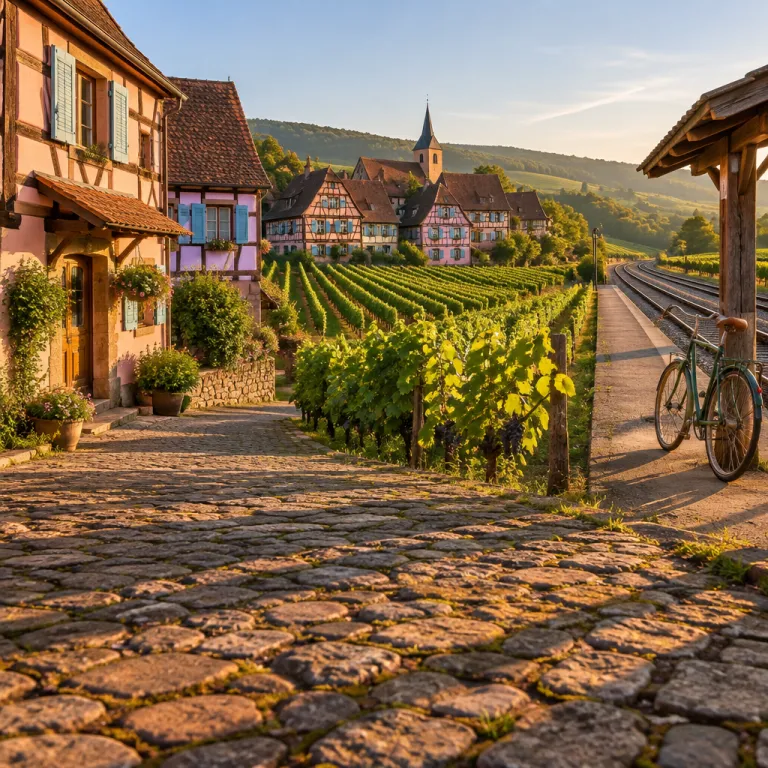
Why Alsace is made for a car free luxury stay
Alsace is one of the rare regions in France where short distances, dense rail lines and compact villages make a refined trip without car feel effortless. The grand est landscape between Strasbourg and Colmar is narrow, so every city, village and vineyard place seems only minutes apart by train or train bus. For a traveler who wants to explore Alsace at a slower pace, the geography, the history and the hospitality culture all work in your favor.
Strasbourg, the regional capital city, anchors the network with a major train station that connects directly to Paris and other parts of France by TGV and regional train Strasbourg services. From this station you can reach most of the best wine route villages, forest plateaus such as Mont Sainte Odile and castles like the Château du Haut Koenigsbourg without a car, using a mix of train, bus and route bike paths. The same logic applies further south around Colmar, where local trains and buses fan out to places that feel remote but remain surprisingly close in travel time.
For luxury and premium hotel guests, this compactness means you can book a single high end place and still plan several day trip excursions by rail, bike or on foot. Many of the finest properties sit within walking distance of a station or a historic center, so you can arrive by train Strasbourg services, check in, then step straight into cobbled streets lined with timbered houses and Alsace wine bars. The result is a style of travel in Alsace without a car that feels both indulgent and light, with no parking stress and more time for the glass of Riesling that matters.
Building blocks of an alsace without a car itinerary
Designing a refined Alsace without a car itinerary starts with understanding the rail spine that runs from Strasbourg to Colmar and beyond. Fast TGV services bring you into the grand est from Paris in a few hours, then regional train Strasbourg departures handle the shorter hops between city and village. For a detailed look at how this works in practice, our guide to Alsace by TGV as a car free luxury itinerary explains the typical route, the main stations and the realistic travel times.
Once you reach a central train station in Strasbourg or Colmar, local trains, train bus links and occasional shuttles connect you to smaller places along the wine route. Many of these places are only 10 to 30 minutes apart by rail, which makes it easy to explore Alsace wine villages in short hops rather than long transfers. You can step off at a station, walk into the historic center, taste Alsace wine in a cellar, then continue to the next place before evening.
The final layer is slow mobility along the vineyards, where a signed route bike network parallels much of the Alsace wine route. E bikes rented in a city or village allow you to ride between places such as Dambach la Ville, Kintzheim near the Haut Koenigsbourg area, or Obernai on the way to Sainte Odile, all without car use. Combined with luggage friendly hotels near stations, these building blocks turn alsace without a car from an idea into a practical, elegant way to visit.
Choosing your base: Strasbourg, Colmar and the wine route villages
For a first car free stay, most travelers choose between Strasbourg, Colmar or a village along the Alsace wine route as their main base. Strasbourg works best if you want a lively city with a major train station, easy train schedules and frequent train Strasbourg connections for day trip outings. Colmar suits those who prefer a smaller city feel, closer to many of the best wine villages and to castles such as the Château du Haut Koenigsbourg and the Château du Haut Barr.
Arriving by rail shapes the mood of the trip, and our detailed piece on how the Paris to Strasbourg TGV turns the journey into the first night shows how to make that first evening count. From Strasbourg you can ride the Strasbourg Colmar line in under an hour, then connect to smaller stations that serve wine route places and car free villages. Many luxury hotels in these cities sit within a short walk of the main station, so you can roll your suitcase for a few minutes and be in your room quickly.
Some travelers prefer to base directly in a wine route village, using local buses, occasional train bus links and route bike paths to explore Alsace wine country. In that case, look for a place with a nearby station or a reliable bus to a larger hub, especially if you plan to visit sites such as Sainte Odile or Koenigsbourg Castle without car access. Wherever you stay, think about luggage logistics, late evening train schedules and how many day trip routes you can realistically manage in the time you have.
Vineyards, castles and villages you can reach without car
One of the quiet luxuries of Alsace without a car is how many headline places you can reach by rail, bus and bike. The classic wine route between Strasbourg and Colmar is lined with villages where the station sits close to the historic center, so you can step off the train and be tasting Alsace wine within minutes. This makes it easy to explore Alsace in short segments, moving from one half timbered place to the next while your hotel remains your fixed point.
Castles are a highlight of the region, and several of the haut sites can be reached with a mix of public transport and walking. The Château du Haut Koenigsbourg, often called Koenigsbourg Castle in English, usually involves a train to a nearby station followed by a bus or taxi, while the Château du Haut Barr above Saverne can be combined with a forest hike. For a spiritual contrast, the Mont Sainte Odile plateau offers a different kind of height, with panoramic views over the grand est plain and a strong sense of history layered into the stones.
Smaller wine route places such as Dambach la Ville reward a slower arrival, especially if you use a route bike path through the vineyards rather than a car. Some visitors also hear about the Kut Zig shuttle concept, which in some seasons links wine villages in a car free loop, though you should always check current train schedules and local transport information before you rely on any specific service. Between the trains, the bikes and the occasional train bus, you can design a series of day trip excursions that feel rich in history and taste yet light on logistics.
Luxury hotels that work for an alsace without a car trip
For a premium stay in Alsace without a car, the right hotel choice matters as much as the right village. Look for properties in Strasbourg or Colmar that sit within a short walk of the main train station, ideally in the historic center where you can reach restaurants, wine bars and riverfront walks in a few minutes. In wine route places, prioritize hotels located in the old town core, where you can step out the door and be among vineyards, tasting rooms and quiet streets without needing any car at all.
Many high end hotels in the region now lean into car free travel by offering luggage friendly arrivals, bike hire and sometimes transfers from the nearest station. When you book, ask whether the property can advise on train schedules, arrange a taxi from a small station or suggest a safe route bike option between nearby villages. Some hotels also coordinate with local guides for private Alsace wine tastings, so you can explore Alsace vineyards during the day and return to a calm, polished room at night.
For multi night stays, consider pairing a city hotel in Strasbourg or Colmar with a second place in a wine route village, linked by a simple train Strasbourg Colmar journey. Our in depth guide to walking the Alsace wine route village to village shows how to structure these moves so that each transfer feels like part of the holiday. With thoughtful planning, your alsace without a car itinerary becomes a sequence of short, scenic hops between stations, castles and vineyards, rather than a series of long drives and parking searches.
Limits of car free travel in Alsace and how to plan around them
Traveling through Alsace without a car is rewarding, but it does come with limits that matter for a luxury or premium stay. Rural train schedules can be sparse in the evening, and some smaller places along the wine route or near haut plateaus such as Sainte Odile or Haut Barr may only see a few buses a day. This means you need to think carefully about timing, especially if you plan a late dinner in a village far from your hotel or a day trip that combines several remote places.
Weather is another factor, because an alsace without a car itinerary often relies on walking and route bike paths between vineyards and stations. In poor conditions you may prefer to stay closer to your base city, using the Strasbourg Colmar line or other main routes for shorter visits to covered sites such as museums, churches and cellar doors. Having a flexible plan with both outdoor and indoor options ensures that your time in France remains comfortable, even when the weather does not cooperate.
Finally, some castles and high vineyards near Koenigsbourg Castle or other haut ridges are realistically easier with a car, especially if you want to combine several in one day. In those cases, consider hiring a private driver for a single day trip rather than renting a car for the entire stay, so you keep the overall journey mostly car free. By accepting these limits and planning around them, you preserve the calm rhythm of an Alsace without a car journey while still reaching the best history rich places you care about.
FAQ
Is it realistic to visit Alsace without a car for a week ?
Yes, spending a full week in Alsace without a car is realistic if you base yourself near a main train station in Strasbourg or Colmar. From there you can use regional trains, train bus links and occasional taxis to reach wine route villages, castles and viewpoints such as Haut Koenigsbourg or Sainte Odile. Planning one or two rest days in your base city also keeps the pace comfortable.
Which city is better as a car free base, Strasbourg or Colmar ?
Strasbourg is better if you want a larger city with more restaurants, museums and frequent train Strasbourg departures across the grand est region. Colmar is better if you prefer a smaller city closer to many of the best wine route villages and to castles such as Koenigsbourg Castle. Both cities offer luxury hotels within walking distance of the main station, so the choice depends on your preferred atmosphere.
Can I reach the Alsace wine route villages by train alone ?
You can reach several Alsace wine route villages by train alone, especially those with their own station close to the historic center. For others you may need a short bus ride, a taxi or a route bike connection from the nearest station. Always check current train schedules and local transport information before finalizing your hotel bookings.
Do luxury hotels in Alsace cater to guests arriving without car ?
Many luxury and premium hotels in Alsace now actively cater to guests arriving without car, especially in Strasbourg, Colmar and key wine route places. Typical services include luggage friendly check in times, advice on train schedules, bike hire and help arranging transfers from smaller stations. When booking, mention that you will be car free so the hotel can suggest the best arrival route.
How much walking should I expect on an alsace without a car trip ?
You should expect a fair amount of walking on an Alsace without a car itinerary, especially between stations, hotels and village centers. Distances are usually short, often just a few minutes, but cobbled streets and gentle hills near haut sites such as Sainte Odile or Haut Barr can make them feel longer. Comfortable shoes and a light bag make the experience far more pleasant.
Sources
For current transport details and regional context, consult official information from SNCF Voyageurs, the Région Grand Est and the Alsace destination tourism board.