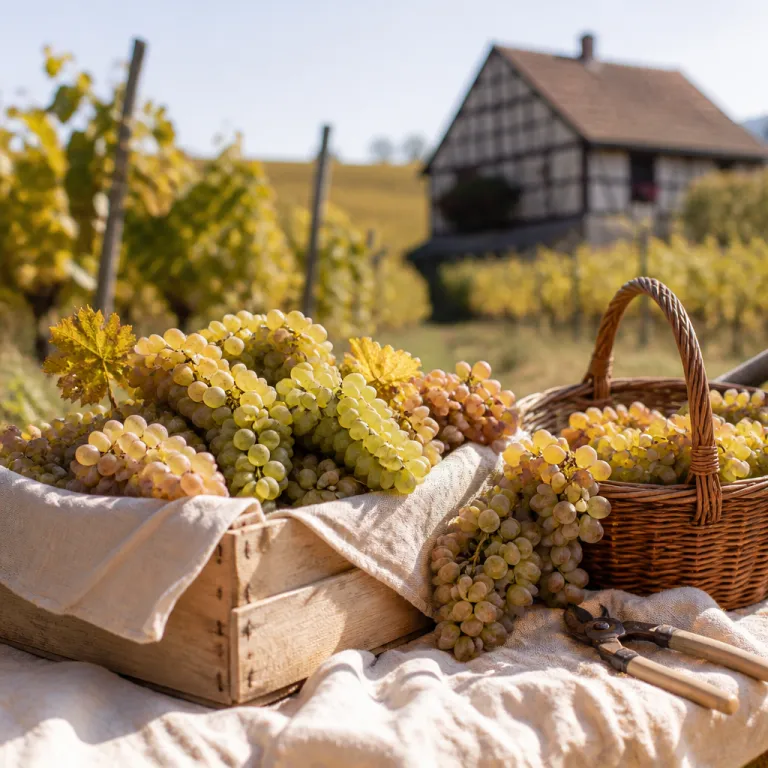
Alsace September vendanges travel: why harvest is the best time to visit
September in Alsace is when the vineyards finally exhale. The grape harvest, or vendanges, rolls across the wine region from the slopes above Strasbourg to the hillsides near Colmar, turning quiet wine villages into working theatre. For couples planning an Alsace September vendanges travel escape, this is the best time to feel the pulse of the region rather than just admire its postcard timbered houses.
Temperatures hover between 12 and 22 degrees Celsius, which makes every day comfortable for walking the wine road and lingering on a terrace with a glass of Riesling. The light is softer than in high summer, the Vosges Mountains hold the last warmth of the season, and the half timbered façades in villages like Riquewihr and Kaysersberg glow against the vines. This shoulder season rhythm also means the best luxury hotels along the Alsace wine route have more availability and more time to spoil you.
The harvest itself is carefully staged across the wine region, and that timing shapes any serious Alsace September vendanges travel plan. Crémant d’Alsace grapes are usually the first to be picked, followed by Pinot Noir for still wine, then Pinot Blanc and Pinot Gris, and finally late ripening Riesling and Riesling Gewurztraminer parcels. Tourism offices and vignerons confirm that “Crémant harvest starts late August, still wine harvest begins early September, late harvest wines picked mid-September.”
For couples, this calendar matters because it defines the best time to visit Alsace if you want to see full baskets and hear the clink of pruning shears. Early in the month, you watch small teams cutting Pinot clusters in the cool morning air, while by late September the grand cru slopes above the wine road are alive with tractors and laughter. Plan at least one full day in the vineyards and another day between Strasbourg and Colmar, so you can balance rural estates with the urban pleasures of France’s most architectural wine regions.
Luxury properties in this part of France understand that Alsace September vendanges travel is about intimacy with the landscape. Many estates offer rooms that look directly onto grand cru parcels, so you wake to the sight of pickers moving through the rows of Pinot Gris or Riesling. Others arrange private transfers along the wine route, allowing you to visit Alsace wine villages without worrying about driving after tastings that can easily add up to a few generous euros per glass.
Harvest from your terrace: vineyard hotels between Strasbourg and Colmar
The most rewarding way to approach Alsace September vendanges travel is to anchor yourself in a vineyard hotel and let the harvest come to you. Between Strasbourg and Colmar, the wine route threads through a chain of wine villages where half timbered houses sit almost inside the vines. From a luxury terrace in Barr, Obernai, or Itterswiller, you can watch crates of Pinot Blanc and Pinot Noir arriving at the cellar while you sip Crémant d’Alsace in the late afternoon light.
Look for properties that sit just above the wine road, ideally on or near a grand cru slope, because these estates give you both cinematic views and direct access to the rows. In Riquewihr, for example, several premium hotels back straight onto grand cru Riesling parcels, so a five minute walk takes you from your suite to the heart of the vendanges. The best rooms sell out quickly for this period, but September still offers more flexibility and better value in euros than the peak Christmas markets season.
Couples who care about wine should prioritise hotels that work closely with independent vignerons along the Alsace wine route. Many of these estates participate in the “Vendangeur d’un jour” initiative, a program allowing tourists to experience grape harvesting firsthand, which turns a simple visit into a tactile day in the vines. You might spend a morning cutting Pinot Gris or Riesling Gewurztraminer grapes with pruning shears, then return to your hotel spa before a grand tasting of Alsace wine in the evening.
For a deeper immersion, choose properties that can arrange a vineyard picnic or private table among the rows, especially during Alsace September vendanges travel when the landscape is at its most alive. Our detailed guide to a vineyard weekend with a vigneron picnic shows how top tier hotels coordinate with local estates to create these moments. Expect to pay a premium in euros for such curated experiences, but the combination of grand cru wines, regional dishes, and the low hum of harvest work around you is precisely why this is the best time to visit Alsace.
Do not overlook Strasbourg itself as a base for at least one night during your trip, especially at the start or end of your route. A luxury address near the cathedral lets you explore the city’s timbered houses and canals by day, then retreat to a quiet courtyard suite at night. From here, it is an easy day excursion to nearby wine villages, and you avoid the intense crowds that arrive later in the year for the Strasbourg Christmas markets.
Designing a harvest itinerary: from wine road walks to e-bike routes
Thoughtful Alsace September vendanges travel is less about ticking off famous names and more about pacing your days around the harvest rhythm. Start with two or three nights near Colmar, which places you close to some of the region’s most storied wine villages and grand cru hillsides. From here, you can move north along the wine road toward Strasbourg, staying in one or two different estates to experience both the southern and northern character of the wine region.
Walking remains the most sensual way to move between villages during the vendanges, because you hear the conversations in the rows and smell the fermenting must in the air. Our guide to walking the Alsace wine route from village to village explains how to link Riquewihr, Ribeauvillé, and Kaysersberg in a single day without ever losing sight of the vines. September’s mild time of year makes these walks comfortable, and the proximity of the Vosges Mountains means you can always see where the cool night air that shapes Alsace wine is coming from.
If you prefer to cover more distance while still staying close to the vineyards, consider an e-bike itinerary that strings together luxury hotels along the route. Our feature on cycling the vineyard route by e-bike outlines how to ride from one grand cru village to another without sacrificing comfort. This approach works especially well during Alsace September vendanges travel, because you can stop spontaneously when you see pickers in a Pinot parcel or a cellar door offering a Riesling or Crémant d’Alsace tasting.
Plan your tastings with intention, focusing on a few key grape varieties each day rather than trying to sample the entire spectrum of Alsace wine in one sitting. One afternoon might be dedicated to Pinot Blanc and Pinot Gris from cooler sites near the Vosges Mountains, while another focuses on Riesling and Riesling Gewurztraminer from sun drenched grand cru slopes. Many estates offer structured flights for a modest fee in euros, and the best time to visit is usually late morning or late afternoon, when the cellar teams have a pause between harvest tasks.
Remember that this is still a working agricultural season, so some wineries along the wine route will be busier than usual and may require reservations. Tourism offices across the region report increased interest in harvest activities, and the “Vendangeur d’un jour” program is particularly popular with couples seeking a hands on day in the vines. Build some flexibility into your trip, allowing space for a long lunch in a village square or an unplanned visit to a small family estate whose Pinot Noir you happen to enjoy at dinner.
Balancing harvest with culture: Strasbourg, Colmar and the Christmas glow
One of the quiet luxuries of Alsace September vendanges travel is that you enjoy the wine region before the Christmas markets transform it into a different kind of stage. Strasbourg and Colmar are already preparing for the festive season, but the streets still belong mostly to locals and harvest workers. This is the best time to wander through timbered houses and canals without the dense crowds that arrive later in the year.
In Strasbourg, base yourself in a refined hotel near the cathedral or Petite France, where half timbered façades lean over the water and evening walks feel cinematic. From here, you can make a day trip into the nearby wine villages, then return for dinner in a contemporary winstub that treats Pinot Noir and Riesling with the same care as its seasonal menu. The city’s role as capital of the Alsace wine region means you will find excellent lists that showcase both grand cru estates and smaller producers from along the wine route.
Colmar, by contrast, feels like a compact stage set for Alsace wine, with canals, painted timbered houses, and tasting rooms only minutes apart. During September, the town is animated by visitors heading out along the wine road each morning and returning with stained fingers and stories of Pinot Blanc or Crémant d’Alsace in the evening. It is also a strategic base for exploring nearby wine villages such as Riquewihr, Eguisheim, and Turckheim, each with its own rhythm during the vendanges.
Although the famous Strasbourg and Colmar Christmas markets are still weeks away, some couples like to plan their Alsace September vendanges travel with a nod to the festive season. This might mean choosing a hotel that also shines in December, or buying a few bottles of grand cru Riesling or Riesling Gewurztraminer to open at home when it is finally time to visit the markets. Think of September as the backstage pass to a region that many only see under Christmas lights, when in reality the best time to visit Alsace wine regions is often when the grapes, not the decorations, are the main event.
From a practical perspective, September offers a balanced cost profile for a premium trip, with room rates generally lower than the peak Christmas period yet higher than the quietest months. Expect to pay more euros for suites with direct vineyard views or for curated harvest experiences, but these are precisely the details that turn a simple visit into a layered journey. For couples who care about both wine and hospitality, this is the moment when Alsace, its wine route, and its grand estates align most perfectly.
FAQ
When does the grape harvest start in Alsace and how long does it last ?
The vendanges in Alsace usually begin in late August with grapes for Crémant d’Alsace, then move into early September for still wines such as Pinot Blanc, Pinot Gris, and Pinot Noir. Late ripening varieties like Riesling and Riesling Gewurztraminer are often picked from mid September onward, especially on higher or cooler sites near the Vosges Mountains. The main harvest typically lasts around four weeks across the wine region, though exact dates vary by village and estate.
Is September really the best time to visit Alsace for wine travel ?
For many wine focused couples, September is the best time to visit Alsace because you see the vineyards in full activity rather than as a static backdrop. Temperatures between 12 and 22 degrees Celsius make it comfortable to walk between wine villages, cycle along the wine road, or sit on a terrace overlooking grand cru slopes. You also benefit from better hotel availability than during the Strasbourg and Colmar Christmas markets, while still enjoying a lively atmosphere in both cities and rural estates.
How should I plan my budget in euros for a luxury harvest trip ?
For a premium Alsace September vendanges travel itinerary, couples should plan for higher nightly rates at vineyard hotels with direct views of the vines, especially on or near the Alsace wine route. Tasting fees at estates are usually modest, often just a few euros per person, but curated experiences such as private tours, vineyard picnics, or “Vendangeur d’un jour” harvest days cost more. Overall, September sits between the lower prices of the quiet months and the peak tariffs of the Christmas season, offering good value for the level of service and access you receive.
Do I need a car to explore the Alsace wine region during the vendanges ?
A car can be convenient for reaching more remote wine villages, but it is not essential for a well designed harvest trip. Many couples base themselves in hubs like Colmar or Strasbourg and use trains, taxis, or private transfers to reach nearby estates along the wine route. Walking and e biking between villages, especially on sections of the wine road near Riquewihr and Kaysersberg, allows you to stay close to the harvest action without worrying about driving after tastings.
What should I wear and bring for a day in the vineyards ?
For any vendanges related visit, including “Vendangeur d’un jour” experiences, wear comfortable clothing that you do not mind getting dusty or stained, along with sturdy closed shoes suitable for uneven vineyard paths. A light jacket is useful in the morning and evening, as temperatures can drop quickly near the Vosges Mountains even when the day is warm. Bring a reusable water bottle, sun protection, and a small bag for any bottles of Pinot, Riesling, or Crémant d’Alsace you decide to buy directly from the estates.