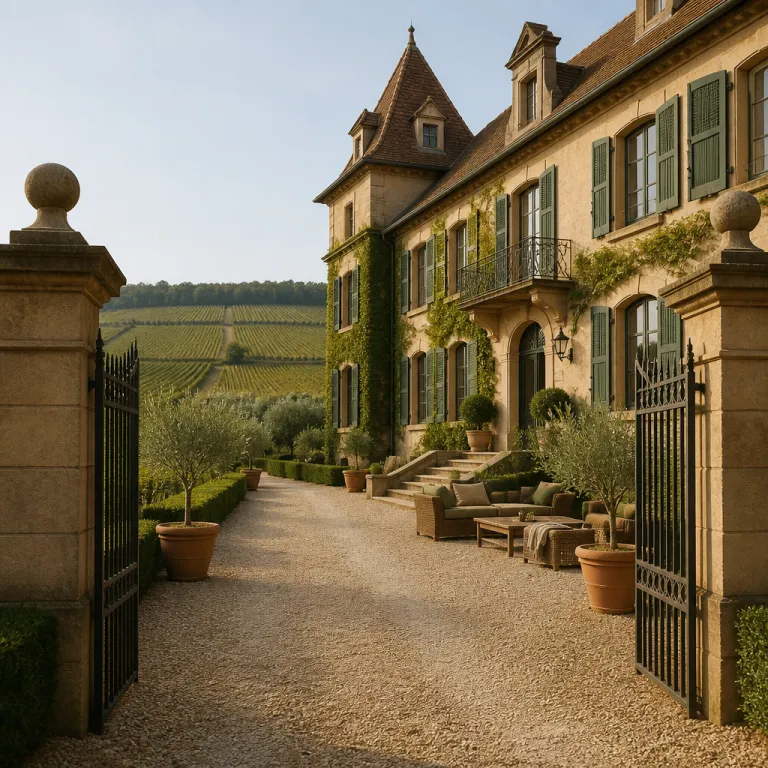
France castle heritage meets Alsace luxury stays
Staying in a French castle in Alsace means sleeping inside living history. Across the country, the French monarchy once commissioned countless châteaux as symbols of power, and a select few in Alsace now welcome guests seeking refined rooms and attentive service. These historic castle properties blend medieval stone masonry with contemporary comforts, creating rare places where heritage and hospitality share the same vaulted halls.
Architects and builders originally designed each château as both fortress and residence, using stone, timber, and defensive towers to protect noble families. Today, many of these castles in France have shifted from feudal strongholds to curated hotels, where you can visit a château courtyard in the morning and enjoy a spa treatment by late afternoon. When you book a stay, you are not just reserving rooms; you are entering a carefully preserved chapter of French history shaped by local craftsmen and artisans.
Across France there are approximately 45,000 castles, and Alsace holds a particularly dense cluster overlooking the Rhine river and the Vosges foothills. This figure, cited by the specialist platform Castle Collector, highlights how abundant the castles France offers have become for travelers. While the Loire Valley and the Château de Versailles remain global icons, the castles France offers in Alsace feel more intimate, with panoramic views across vineyards and half-timbered villages. For travelers comparing French castles, Alsace stands out for its mix of Germanic and French influences, its compact distances for a day tour, and its strong focus on gastronomy and wine.
Choosing a château hotel in Alsace instead of the Loire Valley
Many travelers planning a French castle itinerary instinctively think of the Loire Valley first. The grand châteaux des rois along the Loire river, from Chambord to Chaumont-sur-Loire, certainly deserve their fame, yet they rarely offer the same quiet, residential atmosphere as a smaller château in Alsace. If you value privacy, characterful rooms, and direct access to vineyards, the castles in Alsace often provide a more tailored experience than the palaces along the Loire.
When you compare French castles in Alsace with those in the Paris region or the south of France, focus on how you intend to visit each property. Around Paris, a palace such as Versailles excels for a half-day tour with formal gardens and ceremonial spaces, while Alsatian châteaux are better suited to multi-night stays with slow travel rhythms. In the south of France, many castle-style estates lean toward real estate investments, whereas in Alsace the emphasis remains on hospitality, gastronomy, and curated cultural activities.
For a detailed overview of premium castle-style stays, consult this guide to Alsace premium accommodation and the finest hotel experiences. It explains how to read room categories, understand seasonal sale periods, and interpret the subtle differences between a restored château and a former palace. Use that information alongside each hotel’s official website to build your own list of preferred castles, then refine this list of castles by location, spa facilities, and proximity to wine routes.
Historic context: from medieval strongholds to refined castle suites
The earliest French castle structures in Alsace emerged during the Middle Ages, when feudal lords needed elevated positions to control trade routes and protect territories. These castles, often perched on rocky spurs, relied on stone masonry, timber framing, and simple tools such as hammers, chisels, and saws. Their primary goals were defense and residence, yet they also served as visible statements of wealth and authority across the surrounding river valleys.
Over time, many of these French castles were reshaped by events such as the French Revolution, which transformed noble estates into national property, military posts, or later private real estate. Some châteaux fell into ruin, while others evolved into romantic residences with landscaped gardens and panoramic views, eventually becoming ideal candidates for conversion into luxury hotels. When you visit a château hotel today, you often sleep in former noble rooms, walk along ramparts once patrolled by guards, and dine in halls where alliances were negotiated.
Travelers interested in urban history should not miss the Strasbourg half-timbered hotel quarter walking route, which shows how hospitality evolved in parallel with fortified castles. While Strasbourg itself is not dominated by a single palace, its medieval street grid and merchant houses echo the same commercial energy that financed many regional châteaux. This contrast between city inns and hilltop castles in France helps explain why some properties became hotels, while others shifted toward castle sale or château sale opportunities in the real estate market.
Planning your stay: rooms, views, and château based itineraries
When you plan a French castle stay in Alsace, start by deciding how many nights you want to spend in a single château. Two or three days allow enough time to visit nearby villages, enjoy the hotel’s gardens, and book at least one guided tour of the property itself. Shorter one-day visits work for travelers who prefer to change castles frequently, but they reduce your chance to fully appreciate the rhythm of the estate.
Room selection matters in historic French castles, because each space was originally designed for a specific function rather than standardized hotel layouts. Corner rooms often provide the best views over vineyards, river valleys, or inner courtyards, while former guard towers sometimes host unique duplex suites with stone staircases. When browsing an official website, look for detailed floor plans, ceiling heights, and window orientations, then compare these data points across your personal list of castles to ensure you secure the atmosphere you want.
Many château hotels in Alsace curate itineraries that combine heritage with wine and nature, often along biodynamic vineyard routes. For an in-depth perspective on these landscapes, consult this article on biodynamic Alsace vineyards where the winemaker and terroir set the pace, then align your castle stay with nearby domaines. A well-planned visit might include a morning tour of a medieval château, an afternoon tasting along the river, and an evening walk through the château gardens before dinner.
Comparing Alsace with iconic château regions across France
Travelers often weigh a French castle stay in Alsace against more famous regions such as the Loire Valley, the Paris region, or the south of France. The Loire offers a dense concentration of châteaux des rois, including Chaumont-sur-Loire and other estates along the river, yet many function primarily as museums rather than hotels. In contrast, Alsace focuses on a smaller list of castles that actively welcome overnight guests, which creates a more intimate and residential atmosphere.
In the Paris region, Versailles stands as the most famous castle in France, with ceremonial rooms and formal gardens designed for royal spectacle. It excels for a structured tour during the day, but it does not operate as a traditional hotel, so you will sleep elsewhere after your visit. South of France, especially near the Mediterranean, you will find more castle sale and château sale listings marketed as real estate, which appeal to investors rather than short-term guests.
Alsace occupies a middle ground where heritage, hospitality, and landscape intersect in a compact area that is easy to visit by car or train. You can spend one day exploring a fortified château such as Château du Haut-Koenigsbourg, then another day in a river valley village with views toward the Vosges. This balance makes it simple to build a personal list of castles that includes both major landmarks and quieter properties, without the long transfers often required between French castles in other regions.
Practical booking advice for château stays in Alsace
Securing the right French castle stay in Alsace requires more than choosing a beautiful façade. Start by checking each château’s official website for accurate room descriptions, seasonal sale offers, and clear policies on minimum stays, especially during harvest and Christmas markets. Many properties release their best rates and packages several months in advance, so early planning improves both choice and value.
When you intend to visit a château that also functions as a museum, verify opening hours and tour schedules before finalizing your booking. Some castles in France close certain towers or gardens on specific days for maintenance, private events, or restoration projects, which can affect your experience. The dataset guidance remains valid here: “Visit Loire Valley for famous châteaux. Check opening hours in advance. Guided tours available.”
Travelers interested in castle sale or château sale opportunities should separate real estate research from holiday planning, because viewing properties for sale in France often requires appointments and legal consultations. If you simply want to enjoy French castles as a guest, focus on hotels that clearly prioritize hospitality over transactions, and leave investment decisions for a dedicated trip. This distinction keeps your current visit centered on relaxation, gastronomy, and the quiet pleasure of waking up in a historic room with views across vineyards and river valleys.
Notable château themed experiences near Alsace
While your primary focus may be a French castle stay in Alsace, you can enrich your journey by pairing it with visits to other emblematic regions. A rail connection via the Paris region allows you to spend a day touring Versailles, then return to the calmer rhythm of an Alsatian château hotel. This contrast between palace-scale ceremony and intimate castle hospitality deepens your understanding of how French castles evolved from royal courts to refined retreats.
Some travelers extend their itinerary toward the Loire Valley, where Chaumont-sur-Loire and other estates along the river offer spectacular gardens and contemporary art installations. These properties rarely provide overnight rooms, yet they complement an Alsace stay by showcasing the ceremonial side of castles France, with grand staircases, formal parterres, and elaborate towers. After such a visit, returning to a smaller château in Alsace often feels like stepping back into a private residence rather than a museum.
History enthusiasts might also include a detour to sites such as Château de Quéribus or Saint-Jean fortifications in the south of France, which highlight the defensive role of medieval castles. While these destinations sit far from Alsace, they illustrate how the same architectural vocabulary of towers, ramparts, and courtyards appears across a wide list of castles throughout France. Experiencing both the austere military château and the comfortable château hotel underscores how far castle life has shifted from feudal survival to curated luxury.
Key figures about castles and château stays in France
- France hosts approximately 45,000 castles, according to Castle Collector, which means travelers can choose from an exceptionally wide list of castles across multiple regions.
- The Château de Versailles is widely regarded as the most famous castle in France, making it a natural reference point when comparing palace-scale architecture with more intimate château hotels in Alsace.
- Many historic châteaux now rely on tourism growth, with guided tours, cultural events, and overnight stays helping to finance restoration projects and long-term preservation.
- Medieval castle construction in France spanned roughly from the 10th to the 15th century, a period when stone masonry, timber framing, and concentric defensive designs became standard techniques.
FAQ about château stays and historic hotels in France
How many castles are there in France, and how many can you visit?
There are approximately 45,000 castles in France, ranging from fortified ruins to fully restored palaces and hotels. Only a fraction are open to the public, yet travelers can still visit hundreds of châteaux through guided tours, museum-style access, or overnight stays. Always check each property’s official website for current opening hours and visit conditions.
What is the most famous castle in France, and is it a hotel?
The Château de Versailles is considered the most famous castle in France, renowned for its Hall of Mirrors, formal gardens, and role in royal history. Versailles operates primarily as a museum and cultural site rather than a traditional hotel, so visitors usually stay in nearby accommodations in the Paris region. For an overnight château experience, travelers often choose smaller historic hotels in regions such as Alsace or the Loire Valley.
Can you stay overnight in a French château hotel in Alsace?
Yes, several historic châteaux in Alsace function as luxury or premium hotels, offering rooms and suites within original castle walls. Guests can enjoy features such as stone staircases, period-inspired décor, and landscaped gardens, combined with modern amenities like spas and fine dining. These properties allow you to experience French castles as living spaces rather than static monuments.
How should I plan a château themed itinerary that includes Alsace?
Start by selecting one château hotel in Alsace as your base for at least two or three nights, then build day trips to nearby villages, vineyards, and hilltop castles. You can combine this with a short stay in the Paris region to visit Versailles, or add a separate leg in the Loire Valley for palace-style tours. Organizing your route around rail hubs such as Strasbourg and Paris simplifies transfers between regions.
What should I check before booking a room in a château hotel?
Before confirming a reservation, review the official website for accurate room descriptions, floor plans, and photographs, paying attention to ceiling heights, window size, and views. Verify whether the château offers air conditioning, elevators, or accessible rooms, as historic buildings sometimes have structural limitations. Finally, confirm cancellation policies, seasonal sale periods, and any mandatory half-board or event surcharges during peak dates.