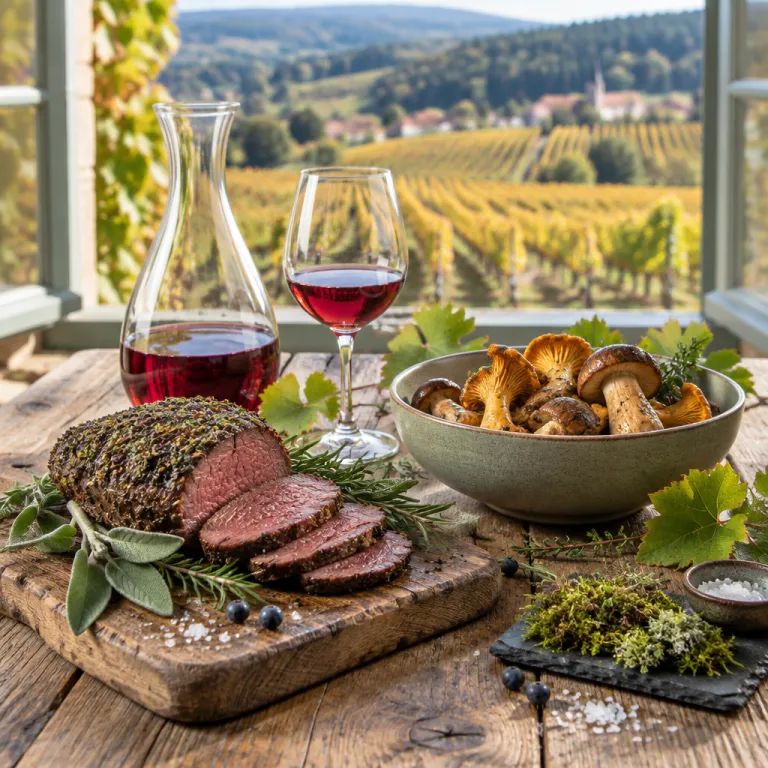
Alsace autumn food as a luxury hotel experience
Alsace autumn food is not a passing trend but a season when the entire region cooks with purpose. In every luxury property across Alsace France, the kitchen turns toward game, forest mushrooms and slow braises that feel made for shorter day light and long dinners. For couples planning a romantic stay, this is the best moment to understand how Alsatian cuisine, Alsatian wines and refined service come together at the table.
In Strasbourg or Colmar, an elegant hotel dining room will often echo the half timbered village streets outside yet plate something far more precise than a rustic winstub lunch. Chefs lean into traditional Alsatian foundations such as choucroute, Baeckeoffe or tarte flambée, then rework these Alsatian recipes with lighter sauces, meticulous jus and vegetable garnishes that respect the harvest season. The result is alsace autumn food that feels both deeply local and quietly cosmopolitan, perfectly aligned with what many travelers expect from France but anchored in Alsace Lorraine character.
Autumn also sharpens the role of wine in this region, because every glass of Alsace wine poured in a hotel restaurant carries the memory of the recent harvest season in nearby vineyards. When you follow the wine route by day and return to a polished dining room at night, you taste how young vintages, late harvest sweetness and structured Pinot Noir shape the rhythm of the meal. For guests who want to discover Alsace through flavor rather than sightseeing alone, this is the place where terroir, service and architecture meet.
The autumn larder: game, forest mushrooms and mountain cheeses
The core of alsace autumn food is the larder that appears once the heat drops in the Vosges Mountains. Venison, wild boar and sometimes hare arrive from the forests that stretch toward the Black Forest, while baskets of chanterelles and ceps come in from foragers who know every shaded park edge and mossy slope. In luxury hotel kitchens, these ingredients are handled with the same care as caviar elsewhere in France, because they define the season more clearly than any calendar.
Expect menus where a traditional Alsatian game stew is refined into a clear, concentrated sauce, poured at the table over perfectly rested meat. Forest mushrooms might be folded into a delicate Alsatian cuisine pastry, or scattered over roasted pumpkin and quince, creating a recipe that feels both French and distinctly Alsatian at once. Munster cheese from the Vosges Mountains appears in both singular and blended forms, sometimes softened into a silky purée, sometimes served in generous slices, always reminding you that Alsace autumn food is anchored in dairy as much as in game.
Couples staying near Riquewihr Alsace or in apartments in Riquewihr fall into a pleasant rhythm here, walking the village by day and returning to tasting menus that reinterpret farmhouse cooking. In Colmar or Strasbourg, hotel restaurants often highlight how local walnuts, apples and pears can frame richer dishes, offering freshness against the depth of slow cooked meats. This is where the best alsace autumn food emerges, not as heavy fare but as a carefully balanced sequence of plates that respect both appetite and elegance.
For travelers interested in broader gourmet stays in France, a useful overview of hotels with serious dining rooms appears in this guide to Alsace hotels with Michelin level restaurants. Reading it before you book will help you align your expectations about game, mushrooms and wine pairings with the properties that treat autumn as their main culinary stage. It also underlines how alsace autumn food has become a reference point for French regional gastronomy rather than a niche curiosity.
New wine, young vintages and the logic of autumn pairings
Wine is never an afterthought in Alsace, and during autumn the glass often leads the plate. The arrival of new wine, sometimes still slightly cloudy and gently sweet, signals that the harvest season has closed and that cellars along the wine route are settling into another cycle. In luxury hotel restaurants, sommeliers use this moment to frame alsace autumn food with pairings that move from playful to profound over the course of a single dinner.
Early in the season, you might taste a young Alsace wine alongside tarte flambée, the traditional Alsatian flatbread that appears in both classic and reimagined forms. The light fizz and fruit of new wine cut through the richness of cream and onions, turning a simple Alsatian cuisine staple into a precise opening course. As the evening progresses, more structured Alsatian wines such as Riesling, Pinot Gris or Gewurztraminer arrive, each chosen to echo either the forest mushrooms, the game or the Munster cheese that define alsace autumn food.
Red wine, especially Pinot Noir from cooler slopes in Alsace France, plays a larger role in autumn than many first time visitors expect. Sommeliers in Strasbourg, Colmar and the villages near Haut Koenigsbourg understand that venison or wild boar needs tannin and spice, not just aromatic whites, so they build flights that move confidently between colors. If you want to discover Alsace through its glasses as much as through its plates, ask for a pairing that traces the wine route from north to south, linking each village to a specific dish.
Many couples combine these dinners with spa or wellness stays, using curated luxury hotel packages in Alsace that include tasting menus and cellar visits. This structure lets you spend the day exploring vineyards or a nearby park, then return to a dining room where the same Alsace wine you saw in the fields appears in your glass. Over several days, alsace autumn food and wine become a single narrative rather than separate experiences.
Where winstub soul meets fine dining technique
One of the pleasures of alsace autumn food is watching how hotel chefs translate winstub comfort into something worthy of white tablecloths. The winstub, a traditional Alsatian tavern, is where locals gather for hearty plates and generous pours of Alsatian wines, yet luxury properties borrow its warmth while refining every detail. You still feel the conviviality of Alsace, but the execution reflects the precision expected from high end French hospitality.
In Strasbourg or Colmar, a hotel restaurant might serve a reworked choucroute where the sauerkraut is gently braised in Alsace wine and the meats are trimmed, poached and glazed rather than simply piled high. Tarte flambée can appear as a delicate amuse bouche, its familiar flavors compressed into a few perfect bites that introduce the broader story of Alsace autumn food. Even simple Alsatian recipes such as spaetzle or potato gratins are lightened, often paired with wild mushrooms from the Vosges Mountains or herbs from a local park garden.
Villages along the wine route, including Riquewihr Alsace and the hamlets near Haut Koenigsbourg, offer another perspective where the line between village inn and luxury hotel narrows. Here, couples might stay in carefully restored apartments in Riquewihr, then walk a few minutes to a dining room where the chef treats every traditional Alsatian dish as a canvas for seasonal nuance. The same plate of game you might find in a casual setting becomes a study in texture and temperature, aligned with a precise pour of Pinot Noir or late harvest Gewurztraminer.
For travelers who value wellness as much as gastronomy, the region’s thermal heritage adds another layer to the experience. A detailed look at Alsace spa breaks and wellness hotels shows how many properties now pair serious kitchens with serious spas. After a day in the steam rooms and pools, a carefully structured alsace autumn food menu feels even more restorative, especially when it leans into vegetables, broths and lighter interpretations of Alsatian cuisine.
Planning an autumn stay: villages, views and seasonal rituals
Choosing where to stay for alsace autumn food is as important as choosing the right restaurant. Strasbourg offers urban energy, river views and easy access to both cathedral and contemporary art, while Colmar feels more intimate, with canals and half timbered houses that glow in the softer autumn light. Smaller village stays along the wine route, especially around Riquewihr fall and the slopes below Haut Koenigsbourg, place you closer to vineyards, forests and the daily rhythms of the harvest season.
Couples who want to discover Alsace at a slower pace often split their time between a city base and a village retreat. A few days in Strasbourg or Colmar allow you to explore museums, parks and early Christmas markets, then you move to a quieter place in Alsace Lorraine where the focus shifts to walks among vines, drives into the Vosges Mountains and long lunches. In each setting, hotel concierges can recommend local producers, from Munster cheese farms to family run cellars pouring Alsace wine that rarely leaves the region.
Even outside the peak of Alsace fall foliage, the landscape shapes what appears on your plate. Forest drives toward the Black Forest, strolls through a village park or a simple day spent watching vineyard workers all feed back into the evening’s menu, because chefs respond directly to what the region offers that week. When you sit down to a dinner built around game, mushrooms and carefully chosen Alsatian wines, you are tasting not just alsace autumn food but the accumulated work of an entire landscape.
As you plan, remember that the best properties book early for this season, especially those with strong reputations for Alsatian cuisine and thoughtful wine lists. Look for hotels that speak openly about their relationships with local producers and that treat traditional Alsatian dishes as living recipes rather than museum pieces. That is where the autumn table in Alsace will feel most alive, and where your stay will linger longest in memory.
FAQ
When is the best time to experience alsace autumn food in hotels ?
The most expressive period for alsace autumn food in hotels runs from the first cool weeks of the harvest season until just before the Christmas markets dominate the calendar. During this window, game, wild mushrooms and orchard fruits are at their peak, and chefs build menus around them. You will also find new wine and young vintages on many lists, which adds another layer to the experience.
Which areas are ideal for combining wine route drives and gourmet hotel stays ?
The classic wine route corridor between Strasbourg and Colmar offers the greatest density of luxury properties with serious kitchens. Villages around Riquewihr Alsace and the slopes below Haut Koenigsbourg are particularly strong if you want vineyard views and quick access to forest walks. Staying a few nights in each area lets you compare how different parts of Alsace interpret autumn ingredients and Alsatian wines.
Can vegetarians enjoy alsace autumn food in luxury hotels ?
While game is central to the season, many high end hotel restaurants now create thoughtful vegetarian menus. Forest mushrooms, pumpkin, quince, walnuts and local cheeses such as Munster provide a rich palette for chefs who respect Alsatian cuisine but cook with lighter, plant focused plates. When booking, mention your preferences so the kitchen can plan a coherent sequence rather than improvising on the day.
How important is wine pairing to the autumn dining experience in Alsace ?
Wine pairing is integral rather than optional, because Alsace wine reflects the same slopes and weather that shape the food. Sommeliers use young vintages, mature bottles and occasional late harvest wines to trace a narrative through each course. If you are unsure, ask for a shorter pairing flight, which still reveals how carefully chosen glasses elevate alsace autumn food.
Are Christmas markets compatible with an autumn focused gourmet trip ?
Some travelers like to overlap the tail end of the autumn season with the earliest Christmas markets in Strasbourg or Colmar. This approach lets you enjoy serious restaurant menus built around game and mushrooms, then wander festive streets afterward. If your priority is quiet vineyard walks and less crowded dining rooms, aim slightly earlier, when the focus remains firmly on the harvest season rather than holiday events.